Drunk driving crashes along Route 2 and throughout Glastonbury leave families facing medical bills, lost income, and uncertain futures. After an intoxicated driver causes harm, you face more than physical recovery—insurance negotiations, legal deadlines, and complex liability questions demand immediate attention, something a Glastonbury drunk driving accident lawyer can help you manage.
The Flood Law Firm represents Glastonbury residents who have been injured by drunk drivers. Our Middletown office serves Hartford County families through every stage of recovery, from investigating crash scenes along the East Hartford-Glastonbury Expressway to pursuing fair compensation through Connecticut's courts.
Why Choose The Flood Law Firm for Your Glastonbury Drunk Driving Case

The Flood Law Firm brings Connecticut-focused experience to every drunk driving accident case. Our attorneys understand the unique advantages Connecticut law provides to victims, including enhanced damages provisions and dram shop liability that many accident victims never realize exist, which becomes important when you need to sue a drunk driver who hit me and want to hold the at-fault party fully accountable.
Experience Handling Complex Referral Cases
Lawyers throughout Connecticut refer their most challenging personal injury matters to us, knowing we possess the resources and trial experience to fight for fair results. Our track record includes six-figure recoveries in cases that initially appeared to involve only minor soft-tissue injuries.
Personalized Attention From Trial Lawyers
Your case receives personal attention from experienced trial lawyers. We explain Connecticut's drunk driving laws in plain language, answer questions promptly, and keep you informed throughout the legal process. We work on contingency fees—you pay nothing unless we recover compensation for you.
Local Knowledge and Accessibility
Our Middletown headquarters puts us minutes from Glastonbury, allowing quick responses to accident scenes and face-to-face meetings that fit your schedule.
We understand the roads where these crashes occur—from Route 2's busy interchange with Route 3 to Hebron Avenue's commercial corridor.
Compensation After a Glastonbury Drunk Driving Accident
Drunk driving victims face expenses that extend far beyond initial emergency treatment. Connecticut law recognizes multiple categories of damages, and our attorneys fight to recover full compensation that reflects both immediate costs and long-term impacts. A Glastonbury drunk driving accident lawyer evaluates every category of harm to build a strong claim, addressing common assumptions such as drunk drivers always at fault while making sure your case is supported with solid evidence.
Medical Expenses and Treatment Costs
Medical costs include emergency room treatment at Hartford Hospital or Saint Francis Hospital, ambulance transport, surgical procedures, hospitalization, medications, physical therapy, and ongoing rehabilitation. Many injuries require future medical care—our attorneys work with medical professionals to document anticipated treatment needs and associated costs.
Lost Income and Earning Capacity
Lost income affects Glastonbury families significantly, particularly given the town's professional workforce. When injuries prevent you from working, compensation might include missed wages during recovery, reduced earning capacity if you cannot return to your previous position, and lost benefits like health insurance or retirement contributions.
Property Damage and Non-Economic Damages
Vehicle damage claims address repair costs or total loss replacement value. Connecticut law also recognizes compensation for pain and suffering, emotional distress, loss of enjoyment of life, and permanent scarring. These damages acknowledge that drunk driving crashes create trauma beyond financial statements.
Enhanced Damages Under Connecticut Law
Under Connecticut General Statutes § 14-295, courts may award double or treble damages when defendants deliberately or with reckless disregard violate enumerated statutes, including the drunk driving prohibition under § 14-227a. Enhanced damages require specific pleading and proof; they are not automatic in every DUI collision.
Route 2 and Glastonbury's High-Risk Roads
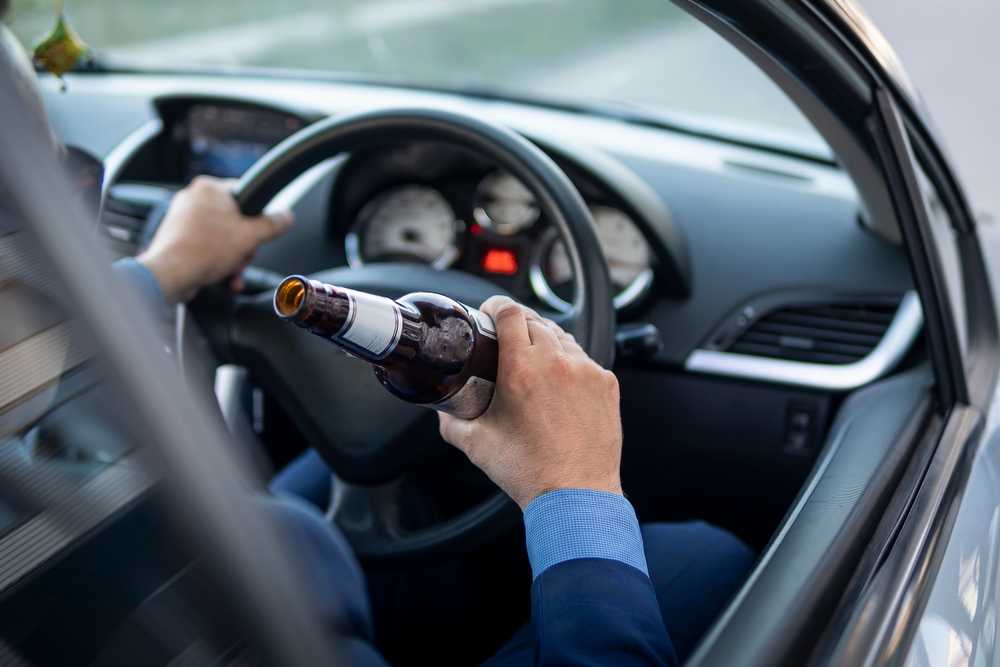
Route 2 serves as Glastonbury's major highway, connecting Hartford to Norwich as a primary freeway. This heavily traveled corridor sees frequent drunk driving incidents, particularly during evening hours when impaired drivers leave Hartford-area establishments and head southeast through Glastonbury.
The East Hartford-Glastonbury Expressway Corridor
High speeds, complex interchanges at Routes 3 and 17, and heavy commuter traffic mean that drunk drivers can cause devastating multi-vehicle crashes. Impaired judgment and delayed reaction times turn routine merging into catastrophic collisions.
Hebron Avenue Commercial Zone
Hebron Avenue (Route 94) presents different risks. This commercial corridor serves office parks and retail areas, with four-lane sections near Route 2 narrowing to two lanes. Drunk drivers might misjudge turns, drift into oncoming traffic, and collide with vehicles entering or exiting business parking lots.
Wrong-Way Crash Dangers
Route 2's divided highway sections become deadly when intoxicated drivers enter exit ramps or travel the wrong direction on the freeway. Alcohol plays a role in many fatal wrong-way collisions. These head-on crashes commonly result in fatalities or catastrophic injuries.
Main Street and Pedestrian Areas
Main Street through Glastonbury's historic town center sees pedestrian and bicycle traffic that becomes vulnerable to impaired drivers. The Connecticut River crossing and nearby residential neighborhoods mean drunk driving crashes occur at all hours.
Pedestrian victims face particularly severe injuries given the lack of protection against multi-ton vehicles, often requiring compensation for extensive medical treatment, permanent disability, and reduced quality of life.
Understanding Connecticut's Drunk Driving Laws
Connecticut enforces comprehensive drunk driving statutes that establish criminal penalties and civil liability. Understanding these laws helps victims recognize their rights and the legal tools available to pursue fair compensation, including how certain conduct can be treated same as driving drunk when assessing responsibility.
Blood Alcohol Concentration Limits
Connecticut enforces strict blood alcohol concentration limits that determine legal intoxication under Connecticut General Statutes § 14-227a. Drivers over 21 face DUI charges at 0.08% BAC, commercial drivers at 0.04% BAC, and drivers under 21 at just 0.02% BAC under the state's zero-tolerance law.
Criminal vs. Civil Claims
The criminal case against the drunk driver proceeds separately from your civil claim. While prosecutors pursue criminal charges including fines, license suspension, and potential jail time, you maintain the right to file a civil lawsuit seeking compensation for your injuries. Criminal convictions strengthen civil cases by establishing fault.
Proving Impairment in Civil Court
Proving drunk driving in civil court requires demonstrating that the defendant operated their vehicle while impaired and that this impairment caused your injuries. Police reports documenting field sobriety test results, BAC measurements, and officer observations provide strong evidence.
Implied Consent and Chemical Testing
Connecticut's implied consent law means that operating a vehicle on state roads constitutes an automatic agreement to submit to chemical testing when officers suspect impairment. Drivers who refuse testing face immediate license suspension. These refusals do not prevent civil liability—our attorneys use other evidence, including witness statements and crash reconstruction, to prove intoxication.
Connecticut's Dram Shop Law Creates Additional Recovery Options
Connecticut holds alcohol-serving establishments accountable when they contribute to drunk driving crashes. This legal framework provides victims with additional sources of compensation beyond the impaired driver's insurance policy.
How Dram Shop Liability Works
Connecticut's Dram Shop Act (General Statutes § 30-102) permits injured parties to sue establishments that sell alcoholic beverages to intoxicated persons, with total damages capped at $250,000. This law recognizes that bars, restaurants, and other alcohol vendors share responsibility when they continue serving visibly intoxicated patrons who later cause harm.
Elements of a Dram Shop Claim
Dram shop claims require proving three elements:
- The establishment sold alcohol to the defendant
- The defendant was visibly intoxicated at the time of the sale
- The intoxication caused your injuries
Visible intoxication includes slurred speech, unsteady gait, aggressive behavior, and difficulty maintaining balance. Our attorneys gather evidence demonstrating that bartenders and servers witnessed these signs yet continued serving alcohol.
Critical Deadlines for Dram Shop Claims
By statute, you must send written notice to the alcohol vendor within 120 days of the injury, or 180 days in cases of death or incapacity, and file the dram shop suit within one year. Missing this deadline destroys your dram shop case, which is why immediate consultation with a Connecticut drunk driving attorney proves critical.
Why Dram Shop Claims Matter
The $250,000 dram shop cap applies per incident, not per victim. However, dram shop claims provide an additional source of compensation beyond the drunk driver's insurance policy. Many impaired drivers carry only minimum coverage that cannot adequately compensate for serious injuries.
Evidence Preservation in Dram Shop Cases
These cases demand immediate investigation. Security camera footage from the bar might be erased within days or weeks. Our attorneys move quickly to preserve evidence, interviewing bartenders and other patrons who observed the drunk driving behavior before they left the establishment.
Common Injuries From Drunk Driving Crashes

Drunk driving collisions generate tremendous force because impaired drivers often fail to brake before impact. The sudden violence of these crashes produces injuries ranging from temporary pain to permanent disability.
Traumatic Brain Injuries
Traumatic brain injuries range from concussions requiring rest and monitoring to severe TBIs causing permanent cognitive impairment, memory loss, and personality changes. Even mild TBIs might produce symptoms lasting months or years.
Spinal Cord and Paralysis
Spinal cord injuries can have life-altering consequences. Partial or complete paralysis might require extensive ongoing care, home modifications, and assistive devices.
Broken Bones and Fractures
Broken bones and fractures require surgical repair with pins, plates, or rods. Complex fractures might need multiple procedures and extended physical therapy. Some fractures heal imperfectly, leaving permanent limitations in mobility or strength.
Soft Tissue Damage
Soft tissue injuries, including whiplash, torn ligaments, and muscle damage, cause significant pain despite not appearing on X-rays. Insurance companies may undervalue these injuries.
Internal Organ Injuries
Internal injuries to organs, internal bleeding, and abdominal trauma require immediate surgical intervention and can produce complications that extend recovery times.
Psychological and Emotional Trauma
Post-traumatic stress disorder, anxiety about driving, depression, and sleep disturbances deserve recognition as real injuries requiring treatment. Mental health counseling and therapy bills constitute compensable damages, and these issues often tie back to the risks of DUI accidents that continue affecting victims long after the crash.
FAQ for Glastonbury Drunk Driving Accidents
Can I recover enhanced damages in a DUI crash?
Connecticut General Statutes § 14-295 allows double or treble damages when a defendant deliberately or with reckless disregard operates a motor vehicle in violation of drunk driving statutes. Enhanced damages are not automatic—you must specifically plead this claim and prove the defendant's conduct meets the reckless disregard standard.
What if I was a passenger in the drunk driver's car?
Passengers injured by drunk drivers they rode with maintain the right to pursue compensation from the driver, even if you knew they were drinking. Connecticut's modified comparative negligence law might reduce recovery if you voluntarily accepted a ride from someone you knew was intoxicated. Your recovery decreases proportionally to your fault percentage, and you cannot recover if you bear more than 50% responsibility. However, this rarely bars passenger recovery entirely.
How quickly should I preserve bar surveillance video?
Immediately. Most bars and restaurants maintain security footage for only 7 to 30 days before systems overwrite recordings. Our attorneys send spoliation letters within days of crashes to legally require establishments to preserve video evidence.
Will a DUI conviction guarantee liability in my civil case?
A criminal DUI conviction provides powerful evidence of liability but does not automatically guarantee civil recovery. The criminal case uses "beyond reasonable doubt" standards while civil claims require only "preponderance of evidence." A guilty plea or conviction establishes the drunk driving element, but you must still prove causation and damages.
What if multiple people were injured in the same drunk driving crash?
When multiple victims suffer injuries in a single drunk driving crash, each person maintains an individual claim. However, the dram shop $250,000 cap applies per incident, not per victim, meaning multiple claimants share that recovery. Our attorneys coordinate with other injured parties to pursue all available compensation sources while protecting your proportionate share.
What is the statute of limitations for a drunk driving accident claim in Connecticut?
In Connecticut, you generally have two years from the date of the accident to file a personal injury lawsuit for a drunk driving accident. For dram shop claims, you must send written notice to the alcohol vendor within 120 days of the injury (or 180 days in cases of death or incapacity) and file the lawsuit within one year. Missing these deadlines can prevent you from recovering compensation.
Contact a Glastonbury Drunk Driving Accident Attorney Today
The Flood Law Firm stands ready to fight for Glastonbury families harmed by drunk drivers. Evidence disappears, witnesses forget details, and legal deadlines approach faster than you might expect. The 120-day dram shop notice requirement means delays can eliminate valuable recovery sources. Call us at (860) 346-2695 to speak with a Connecticut drunk driving accident attorney.