Danbury Personal Injury Lawyer
Most people contact a Danbury personal injury lawyer because something about their situation does not add up. The adjuster disputes who caused the crash. The offer arrives before treatment is finished, or a property owner denies knowing about the hazard that caused a fall.
The Flood Law Firm has a Danbury office at 1 Moss Ave. and represents injured individuals across Fairfield County and Connecticut. The firm handles a broad range of injury claims, from motor vehicle crashes and premises injuries to medical negligence, construction incidents, and nursing home harm.
Call 860-346-2695 for a free consultation to review what happened and discuss whether a claim applies.
- What Types of Injuries Does The Flood Law Firm Handle in Danbury?
- What Does the Evidence Need to Show?
- What If Fault Is Shared in a Connecticut Injury Claim?
- What If More Than One Person or Company Shares Responsibility?
- How Do You Document the Financial and Daily Impact of an Injury?
- How Long Do You Have to File a Personal Injury Claim in Connecticut?
- Why Does Trial Preparation Matter in a Disputed Injury Claim?
- FAQs for Danbury Personal Injury Claims
- Your Next Step After a Danbury Injury
What Types of Injuries Does The Flood Law Firm Handle in Danbury?
A personal injury claim arises when another party's failure to use reasonable care causes harm. The type of incident determines what evidence matters and who the claim targets. The Flood Law Firm handles claims across a wide range of injury categories from our Danbury office.
Roadway and Transportation Injuries
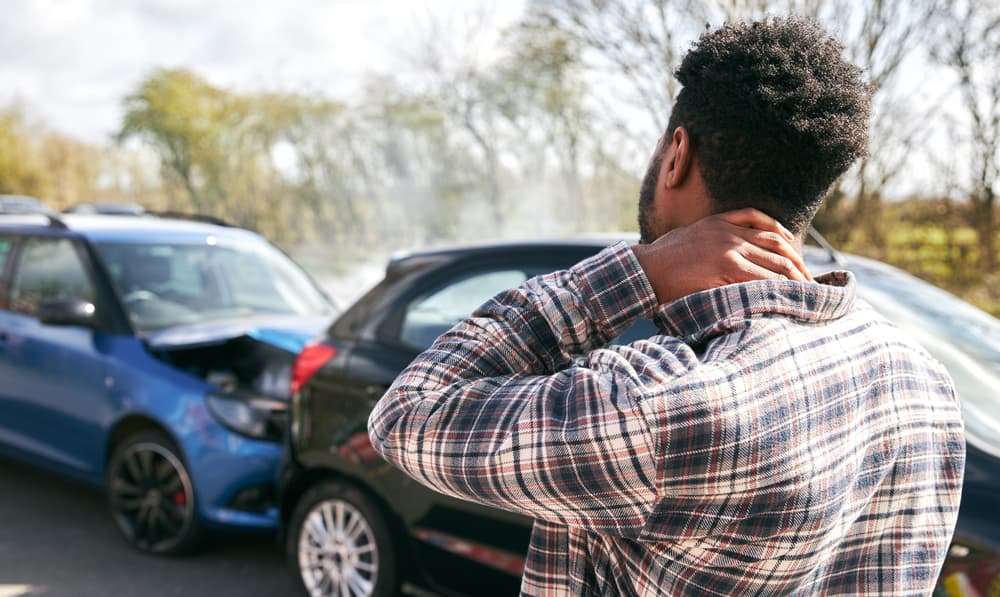
Danbury car accident claims frequently turn on driver conduct, crash-scene evidence, medical documentation, and the insurance available for the collision. Danbury truck accident cases raise questions about driver records, carrier documents, vehicle evidence, and multiple parties who may share responsibility.
The firm also handles motorcycle, pedestrian, bicycle, rideshare, and drunk-driving injury claims in the Danbury area. Each involves different evidence and different insurance questions.
Property and Premises Injuries
Claims involving slip and fall injuries in Danbury focus on the dangerous condition and who controlled the property. The claim examines what that party knew, whether they had reason to know about the hazard, and how the condition caused the injury.
Dog bite claims, boating injuries, and construction injuries involving a viable third-party personal injury claim also fall within the firm's practice.
Complex Medical and Care-Related Claims
The Flood Law Firm accepts medical malpractice, birth injury, and nursing home neglect cases that many personal injury firms decline. These cases require detailed medical records, reviewing whether the care met the required medical standard, and preparation for disputes about what caused the injury.
This breadth is one of the reasons other Connecticut attorneys refer difficult injury matters to the firm.
What Does the Evidence Need to Show?
A personal injury case becomes easier to evaluate when the evidence answers a few practical questions. A police report alone does not prove the entire claim, and a stack of medical bills does not explain who caused the injury.
Different records serve different purposes. Each record answers a different part of the dispute and shows where the claim is well supported or where more information is needed.
| Claim question | Examples of useful evidence | Why it matters |
|---|---|---|
| What happened? | Police or incident reports, photographs, video, and witness accounts | These records help establish the events that caused the injury |
| Who was responsible? | Traffic evidence, maintenance records, company documents, and safety records | Different case types require different proof of responsibility |
| What injuries resulted? | Medical records, imaging, treatment notes, and work restrictions | These records connect the incident to diagnosed injuries and treatment |
| What financial losses followed? | Medical bills, wage records, and employer documentation | Financial records show the measurable economic effects |
| What effects are continuing? | Treatment plans, medical opinions, and evidence of changes in daily function | Future losses require credible medical support |
The Danbury Police Records Division maintains city accident and incident reports. In serious motor vehicle crashes, the Danbury Police Traffic Division conducts its own investigation.
Medical records from treatment at Danbury Hospital, a designated Level II Trauma Center, document injuries, procedures, and clinical findings.

What Role Do Local Records Play in a Danbury Claim?
A police crash report from a collision on I-84 or Route 7 documents initial findings, but it represents one piece of a larger record. Witness statements, surveillance footage from nearby businesses, and photographs of road or property conditions add detail the official report may not capture.
Business and maintenance records become relevant when the claim involves a commercial property, a trucking company, or a construction site. These records are often in the other party's possession. Obtaining them is part of building the claim.
What If Important Evidence Is in Someone Else's Possession?
An injured person rarely controls every record needed to evaluate a disputed claim. A business may hold surveillance footage or maintenance logs that show a known hazard. A trucking company may possess inspection records, driver logs, or vehicle maintenance history. A property owner may have incident reports or internal communications about a condition that was reported before the injury occurred.
We identify which records relate to the dispute and take steps to obtain and preserve relevant evidence before it is lost or overwritten. When litigation becomes necessary, the court process provides formal procedures for requesting documents, records, and other information from the parties involved.
What If Fault Is Shared in a Connecticut Injury Claim?

Shared fault does not automatically end a Connecticut personal injury claim. Connecticut's comparative negligence law, C.G.S. § 52-572h, allows recovery when the injured person's fault does not exceed the combined fault of the parties responsible for the harm. The award is reduced by the injured person's assigned percentage.
That rule matters when an adjuster assigns part of the blame to the injured person. A claim involving a lane change on I-84, a wet floor at a Danbury business, or a crash at the intersection of Main Street and White Street may involve disputed questions about both parties' conduct. The evidence shapes how fault is evaluated; an adjuster's initial position does not decide the issue.
What If More Than One Person or Company Shares Responsibility?
Some injury claims involve several potentially responsible parties, and each one raises separate factual and insurance questions. A truck crash may involve both the driver's conduct and the carrier's decisions about maintenance, training, or scheduling. A construction site injury may involve responsibilities divided among a property owner, general contractor, and subcontractor.
A commercial property claim may raise separate questions about who owned the premises and who maintained them. Identifying each potentially responsible party also identifies different records, different insurance coverage, and different factual disputes that need investigation. We examine each layer of responsibility as part of building the claim.
How Do You Document the Financial and Daily Impact of an Injury?
Connecticut personal injury claims address both the financial costs of an injury and its effects on the injured person's daily life. The losses that factor into a claim depend on the severity of the injury, the length of treatment, and whether the effects are temporary or lasting.
A Danbury personal injury claim may involve several categories of documented harm:
- Medical expenses include emergency care, surgery, rehabilitation, medication, and follow-up treatment directly tied to the injury.
- Lost wages cover income missed during treatment and recovery, verified through employer records.
- Future medical costs address reasonably anticipated treatment when medical evidence supports the expected need and cost.
- Pain and suffering reflects the physical discomfort, emotional distress, and changes in daily life the injury causes.
- Lost earning ability applies when the injury limits the person's capacity to work at the same level.
Each of these categories requires its own supporting documentation. Medical records, billing statements, employer verification, and physician treatment plans form the foundation.

What About Injuries That Require Ongoing Treatment?
Some injuries do not resolve within weeks or months. A herniated disc may lead to long-term pain management. A traumatic brain injury may affect concentration, memory, and work capacity well beyond the initial recovery period.
The need, duration, and cost of future treatment are issues that often become disputed during a claim. When future care is part of the claim, the evidence must include medical opinions supporting the anticipated treatment and its projected cost.
How Long Do You Have to File a Personal Injury Claim in Connecticut?
The filing deadline for a Connecticut personal injury claim depends on the type of claim involved. C.G.S. § 52-584 governs most negligence-based injury claims.
The two-year period begins when the person sustains the injury, discovers it, or reasonably should have discovered it. A three-year final deadline runs from the act or omission itself.
Not every personal injury claim follows the same timeline. Different types of claims and different defendants may involve different statutes and procedures.
What About Wrongful Death Claims?
Connecticut's wrongful death statute, C.G.S. § 52-555, provides that the estate's executor or administrator brings the action. The statute generally allows two years from the date of death and imposes a five-year outer limit from the act or omission.
Filing after the applicable deadline may bar the claim entirely. Prompt legal review identifies which deadlines apply and preserves the right to proceed.
Why Does Trial Preparation Matter in a Disputed Injury Claim?

Legal help becomes most valuable when the claim involves a genuine dispute. An adjuster who questions fault, challenges the connection between the injury and the incident, or undervalues ongoing treatment creates a situation where the evidence needs to be organized and presented with care.
A lawyer also matters when multiple parties or insurance policies are involved, when important records are in someone else's possession, or when the long-term financial effects of the injury are still developing.
We investigate the incident, identify the responsible parties, and build the claim around available evidence:
- We obtain police reports, incident records, and witness statements relevant to how the injury occurred.
- We collect medical records documenting diagnosis, treatment, and any work restrictions.
- We review applicable insurance policies and identify available coverage.
- We handle negotiations with adjusters and opposing counsel throughout the claim.
- We prepare disputed cases for litigation and trial when a fair resolution is not available through negotiation.
Brian Flood is a Fellow of the American College of Trial Lawyers and a member of the American Board of Trial Advocates. Christopher Flood's litigation background includes taking disputed cases through trial.
As an injury law firm in Danbury, The Flood Law Firm handles both serious, high-stakes cases and less complex claims. An injury does not need to involve catastrophic harm for the firm to take it seriously.
Call 860-346-2695 to speak with a personal injury attorney in Danbury, CT.
FAQs for Danbury Personal Injury Claims
Is a Claim Possible If the Injuries Seemed Minor at First?
Yes. An injury does not need to appear serious immediately for a claim to exist. Later medical records may document injuries or limitations that were not clear right after the incident. The important questions are what the medical evidence ultimately shows and whether another party caused the harm.
Does a Police Report Decide Who Is Legally at Fault?
No. A police or crash report is one piece of evidence, not a binding determination of legal responsibility. Witness accounts, photographs, video, physical evidence, and other records also inform how fault is evaluated in a personal injury claim.
Is a Claim Possible Without Going to the Hospital Right Away?
Yes, depending on the facts. A gap between the incident and initial treatment does not automatically eliminate a claim. The timing of medical care and the explanation for any delay become relevant when the connection between the incident and the injury is disputed.
What If the Responsible Party Does Not Have Enough Insurance?
The answer depends on the type of incident, the parties involved, and available coverage. In motor vehicle cases, uninsured or underinsured motorist coverage from the injured person's own policy may apply when the at-fault driver's coverage is insufficient. Other case types involve different insurance questions.
Does a Free Consultation Mean I Have to Hire The Flood Law Firm?
No. A free consultation gives the person a chance to explain what happened, ask questions, and hear how the firm evaluates the situation. Contacting the firm does not create an obligation to proceed with representation.
Your Next Step After a Danbury Injury
You do not need every document gathered or every question resolved before picking up the phone. The Flood Law Firm reviews the incident, the injuries, and the evidence that is available, then explains what a claim needs and whether the facts support one.
We offer free consultations and handle qualifying cases on a contingency-fee basis. Clients do not owe attorney fees unless we recover compensation.
Reach The Flood Law Firm at 860-346-2695.