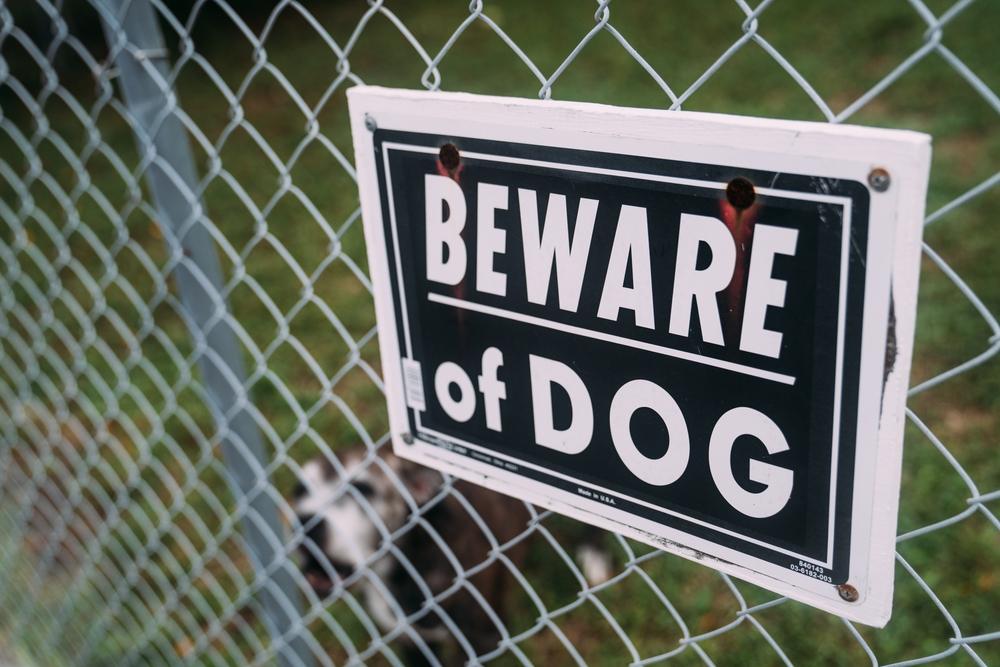
A dog attack can leave you dealing with a painful injury, ongoing treatment, and an uncomfortable situation if the dog belongs to a friend, neighbor, or relative. Connecticut holds dog owners and keepers strictly liable when their animals injure someone, subject to specific statutory exceptions. Under C.G.S. § 22-357, the injured person does not need to prove the owner knew the dog was dangerous or failed to restrain it.
The legal standard is straightforward, but disputes can still arise over who qualifies as the dog's keeper, whether a statutory defense applies, the extent of the injuries, and available insurance coverage. A Connecticut dog bite lawyer reviews those issues and builds the claim around the medical evidence, financial losses, and other documented effects of the attack.
The Flood Law Firm represents injured individuals and families across Connecticut. Call 860-346-2695 for a free consultation to review what happened and discuss your options.
- Why Choose The Flood Law Firm?
- How Does Connecticut's Strict-Liability Statute Work?
- Who Counts as an "Owner or Keeper" Under Connecticut Law?
- What Protections Does Connecticut Law Give Children Bitten by Dogs?
- What If the Dog Belongs to Someone You Know?
- What Affects a Dog Bite Settlement in Connecticut?
- Do You Need a Connecticut Dog Bite Lawyer Even With Strict Liability?
- How Long Do You Have to File a Dog Bite Claim in Connecticut?
- FAQs for Connecticut Dog Bite Injury Claims
- When a Dog Bite Changes More Than a Single Day
Why Choose The Flood Law Firm?

The Flood Law Firm is a Connecticut trial firm founded in 2012 by brothers Brian and Christopher Flood. Every injury case is prepared with trial in mind, even when a fair settlement is the primary goal.
Brian Flood is a Fellow of the American College of Trial Lawyers and a member of the American Board of Trial Advocates. Christopher Flood's litigation background includes taking disputed injury cases through trial.
Attorneys across Connecticut refer difficult personal injury matters to the firm when liability is contested or insurance coverage is complicated. We handle dog bite and dog attack claims at every level of severity, from a puncture wound that leaves a visible scar to a mauling requiring reconstructive surgery.
Our offices in Middletown, Danbury, Waterbury, and Bridgeport serve clients statewide. Call 860-346-2695 for a free consultation with a dog bite attorney in Connecticut.
How Does Connecticut's Strict-Liability Statute Work?
Connecticut's dog bite statute imposes strict liability on the animal's owner or keeper for injuries the dog causes. Under Connecticut's strict-liability dog bite law, the injured person does not need to prove the owner acted carelessly or knew the dog had aggressive tendencies. The "one-bite rule" that some other states follow does not apply in Connecticut.
Prior aggression or past bite history is not an element of the statutory claim. The statute removes that issue entirely for claims against the owner or keeper.
A separate negligence claim also applies in some situations. When a third party's carelessness contributed to the attack, that party faces a negligence-based claim with different elements and a different filing deadline.
Connecticut recognizes these two paths because they address different conduct and different defendants.
| Issue | § 22-357 Statutory Claim | Negligence Claim |
|---|---|---|
| Typical defendant | Dog's owner or keeper | A party whose negligence contributed to the injury |
| Liability standard | Strict liability, subject to statutory exceptions | Proof of negligence required |
| Prior dangerous behavior | Not an element of the claim | The injured person must show the defendant knew or should have known the dog was vicious |
| Filing deadline | Three-year period under § 52-577 | Two-year discovery period under § 52-584, three-year outer limit |
The distinction between these two types of claims affects both who the claim targets and how much time the injured person has to file.
What Are the Exceptions to Strict Liability?
The statute does not make the owner or keeper liable in every situation. C.G.S. § 22-357 identifies specific conduct by the injured person that gives the owner or keeper a defense:
- The injured person was committing a trespass or another tort on the property at the time of the attack.
- The injured person was teasing the dog before the injury occurred.
- The injured person was tormenting or abusing the dog.
These are narrow, defined defenses under the statute, not broad "provocation" arguments. The owner or keeper bears the burden of proving that one applies.

Who Counts as an "Owner or Keeper" Under Connecticut Law?
Connecticut's statute reaches both the dog's owner and its keeper. Under the statute, a keeper is a non-owner who harbors or possesses the dog. Connecticut courts interpret that as someone exercising owner-like control over the animal, and the question is fact-specific.
A roommate watching a friend's dog for the week, a family member caring for the animal long term, or a pet sitter with regular custody all raise questions about keeper status. The answer depends on the person's actual relationship with the dog, not just the name on the registration.
Identifying the right defendant early affects which insurance policy applies and how the claim is structured. We investigate keeper status as part of every dog bite case.
What Protections Does Connecticut Law Give Children Bitten by Dogs?
Connecticut law treats a child's dog bite claim differently from an adult's. Under C.G.S. § 22-357, a child younger than seven benefits from a statutory presumption. This means that the law presumes the child was not trespassing, teasing, tormenting, or abusing the dog at the time of the attack.
The statute places the burden on the defendant to rebut that presumption with evidence. In practice, this means the owner or keeper must affirmatively prove the child engaged in one of the excepted behaviors.
Why Does Long-Term Documentation Matter for Children's Injuries?
Dog bites to a child's face, hands, or arms raise concerns about scarring that develops over time. When treating professionals document that future procedures or ongoing care are expected, those projected costs and effects become part of the claim.
Psychological effects also deserve attention. A child bitten by a dog may develop a lasting fear of animals, anxiety in certain settings, or sleep disturbances. Documentation from appropriate professionals strengthens the long-term value of the claim.

What If the Dog Belongs to Someone You Know?
Many dog bite injuries involve a neighbor's pet, a relative's dog, or a friend's animal. The reluctance to pursue a claim in that situation is understandable.
The distinction that matters is between the owner personally and the insurance coverage behind them. Homeowner's or renter's liability coverage is relevant to dog bite claims when the policy covers the incident, but exclusions and specific policy terms control whether coverage applies.
When coverage exists, the insurance company handles the claim and pays the settlement or judgment. The injured person's claim is directed at the insurer's coverage, not at the owner's personal finances.
We review the insurance picture early in every case to identify what coverage is available and which insurer is responsible.
What Affects a Dog Bite Settlement in Connecticut?
There is no reliable average dog bite settlement figure for Connecticut. Every case depends on its own combination of injury severity, scarring, treatment duration, lost income, and lasting effects on daily life.
Several categories of losses factor into a dog bite settlement in Connecticut:
- Medical expenses cover emergency treatment, surgery, wound care, infection management, and follow-up visits.
- Lost wages account for time away from work during treatment and recovery.
- Future medical costs address anticipated surgeries, scar revision procedures, and ongoing counseling when treating providers document those needs.
- Pain and suffering reflects the physical pain, emotional distress, and reduced quality of life resulting from the attack.
- Scarring and disfigurement damages address visible, permanent changes to appearance, particularly on the face, neck, or hands.
Disputes over these categories often center on the extent of scarring, whether future treatment has adequate medical support, and whether the claimed injuries relate to the dog attack rather than a preexisting condition.
What Evidence Strengthens a Connecticut Dog Bite Claim?
Strong documentation separates a well-supported claim from one that stalls during negotiations. The records that matter most include materials gathered close to the time of the attack and documentation developed over the course of treatment.
- Photographs of injuries taken at the time of the attack and at regular intervals during healing document how scarring develops.
- Medical records from every visit, procedure, and treatment recommendation establish the scope of care.
- Animal control reports filed with the local municipality create an official record of the incident.
- Witness statements from anyone who saw the attack or its immediate aftermath support the account of what happened.
- Employment records showing missed work and lost income tie financial losses directly to the injuries.
We gather and organize this evidence as part of building every claim. Decisions about what to do immediately after a dog bite include reporting the incident, documenting medical care, photographing the injuries, and preserving information from witnesses.

What About Long-Term or Disfiguring Injuries?
Deep bites to the face, neck, or hands create injuries that extend far beyond the initial wound. Nerve damage may limit movement or sensation permanently. Visible scarring may require multiple revision surgeries over a period of years.
A dog bite settlement that accounts for future losses depends on evidence projecting those costs and effects credibly. We work with treating providers to build that record from the beginning of the case. For cases involving severe and disfiguring dog attack injuries, thorough documentation of both current treatment and anticipated future care is essential.
Do You Need a Connecticut Dog Bite Lawyer Even With Strict Liability?
Connecticut's strict-liability statute removes one significant hurdle from a dog bite claim: proving the owner knew the dog was dangerous. That simplification is meaningful. It does not, however, resolve the rest of the dispute.
An insurer handling a Connecticut dog bite claim may still challenge whether the defendant qualifies as the dog's owner or keeper under the statute, whether the injured person was trespassing or engaging in conduct covered by one of the statutory defenses, whether the dog caused the specific injuries being claimed, or whether ongoing treatment or scarring claims have adequate medical support
Those disputes determine how much a claim is worth and whether it resolves through negotiation or proceeds to trial.
A dog attack lawyer in CT who understands both the statute and the practical disputes that arise addresses each of those issues with evidence rather than assertions alone.
What Does The Flood Law Firm Do in a Dog Bite Case?
We investigate the circumstances of the attack, identify the responsible owner or keeper, and collect the records that document both liability and damages. That includes medical records, animal control reports, witness statements, insurance policy information, and photographic evidence of injuries over time.
We handle negotiations and prepare the case for trial when the dispute does not resolve. Call 860-346-2695 to discuss your Connecticut dog bite claim with our team.
How Long Do You Have to File a Dog Bite Claim in Connecticut?
The filing deadline for a Connecticut dog bite claim depends on which type of claim applies. A claim under C.G.S. § 22-357 follows the three-year limitation period in C.G.S. § 52-577. A negligence-based claim falls under C.G.S. § 52-584.
Section 52-584 starts a two-year period from when the injury is first sustained or discovered. It also imposes a three-year final deadline measured from the act or omission that caused the harm.
Because these claims have different deadlines, identifying the right claims and the right defendants early matters. Filing after the applicable limitations period can bar the claim regardless of the evidence.
The Flood Law Firm's four offices across Connecticut, in Middletown, Danbury, Waterbury, and Bridgeport, make it straightforward to meet with our team and review the timeline that applies.
FAQs for Connecticut Dog Bite Injury Claims
Is a Claim Possible If the Dog Never Bit Anyone Before?
Yes. Connecticut's strict-liability statute does not require a prior bite or any evidence of known aggression. The owner or keeper is liable for injuries the dog causes unless a statutory exception applies.
Does Filing a Dog Bite Claim Mean the Dog Might Be Put Down?
No. Filing a civil injury claim does not itself determine what happens to the dog. Connecticut animal control authorities separately investigate attacks and issue restraint or disposal orders based on statutory public safety factors. The civil claim addresses compensation for the injured person's losses.
What If a Dog Knocked You Down but Did Not Actually Bite?
A claim may still apply. Connecticut's statute covers damage caused by a dog, not only bite injuries specifically. Connecticut courts have applied § 22-357 to situations where a dog knocked a person down and caused injury without a bite occurring.
What If You Were Working When the Dog Attacked?
A statutory claim under § 22-357 applies to anyone lawfully present on the property who is not engaging in conduct covered by one of the statutory exceptions. Whether the claim is available depends on the specific facts, including the owner or keeper relationship and the circumstances of the attack.
What Happens If More Than One Person Is Responsible for the Attack?
Multiple parties may share responsibility for a Connecticut dog attack. The dog's owner, a separate keeper, and a negligent third party such as a property owner may all face distinct claims under different theories. Identifying every potentially responsible party early in the process helps ensure the claim targets all available sources of recovery.
When a Dog Bite Changes More Than a Single Day
A dog attack leaves injuries that show up in medical bills, paychecks, and the mirror. Sorting through the legal questions while managing treatment and daily responsibilities is a lot to handle without guidance.
The Flood Law Firm offers free consultations to individuals and families throughout Connecticut. We review the facts of the attack, explain which Connecticut laws apply, and discuss the injuries, the insurance situation, and available next steps. For qualifying cases, clients do not owe attorney fees unless we recover compensation.
Reach The Flood Law Firm at 860-346-2695.