Glastonbury Pedestrian Accident Lawyer

Painful treatment, trouble walking, time away from work, and conflicting accounts of what happened — a pedestrian collision creates problems that build on each other. A Glastonbury pedestrian accident lawyer investigates where the collision happened, what traffic controls applied, and what the driver and pedestrian were doing before impact.
Connecticut treats signalized crossings, unmarked crosswalks, turning vehicles, and crossings outside a crosswalk differently under C.G.S. § 14-300. The crossing location determines which rule governs, and the evidence determines whether the driver met that obligation.
The Flood Law Firm represents pedestrians injured in Glastonbury and throughout Connecticut. Call 860-346-2695 for a free consultation to review how the collision happened and what the claim requires.
- What Does Connecticut Law Require Drivers to Do at Different Crossing Locations?
- What Evidence Documents How a Glastonbury Pedestrian Collision Happened?
- What If the Driver Says the Pedestrian Caused the Crash?
- What Changes in Daily Life After a Pedestrian Injury?
- What Happens When the Driver Leaves or Lacks Adequate Insurance?
- How Does The Flood Law Firm Handle a Disputed Pedestrian Claim?
- How Long Do You Have to File a Pedestrian Injury Claim in Connecticut?
- FAQs for Glastonbury Pedestrian Accident Claims
- Have the Crossing and Evidence Reviewed
What Does Connecticut Law Require Drivers to Do at Different Crossing Locations?
Connecticut's pedestrian rules change based on where the person is crossing and what traffic controls exist. A collision at a signalized Main Street intersection raises different legal questions than one on an uncontrolled stretch of Route 17. C.G.S. § 14-300 assigns specific duties depending on the situation.
| Situation | Connecticut rule | Evidence that matters |
|---|---|---|
| Signal-controlled crosswalk | Pedestrians must follow the signal; a properly crossing pedestrian retains right-of-way over turning vehicles | Signal timing, video, witnesses, police records, vehicle movements |
| Uncontrolled marked crosswalk | Drivers must yield when the pedestrian meets the statutory crossing requirements | Crosswalk markings, pedestrian position, witnesses, video, sight lines |
| Unmarked crosswalk | Connecticut's crosswalk law applies even without painted lines | Intersection layout, traffic controls, photographs, pedestrian position |
| Outside a crosswalk | A pedestrian generally yields to vehicles, but the driver still owes reasonable care | Road location, visibility, speed, lighting, witness accounts, driver conduct |
| Driveway crossing a sidewalk | A vehicle crossing a sidewalk must yield to pedestrian traffic | Video, property layout, photographs, vehicle direction, witnesses |
Each situation has a different set of duties and a different evidentiary question. That distinction is why the exact location of the collision matters more in a pedestrian case than in most other motor vehicle claims.
What Rules Apply When a Vehicle Turns Into an Occupied Crosswalk?
Connecticut law gives a pedestrian who has properly begun crossing at a controlled intersection the right-of-way over turning vehicles. Under § 14-300, that right-of-way continues until the pedestrian reaches the opposite curb or safety zone.
The practical dispute arises when a driver making a right or left turn strikes a pedestrian who is lawfully completing a crossing. The driver may say the pedestrian appeared suddenly. Video, signal timing, and witness accounts help establish where each person was and when the turn began.
A crosswalk accident lawyer in Glastonbury examines those details to determine whether the driver violated the turning-vehicle rule and what evidence supports the pedestrian's account.
Does a Crosswalk Need to Be Painted for Connecticut Law to Apply?

A painted crosswalk is not always required for Connecticut's pedestrian protections to apply. C.G.S. § 14-300 recognizes both marked and unmarked crosswalks. An unmarked crosswalk is the area between the extensions of the sidewalk or shoulder lines across an intersection, even when no paint or markings are present.
That distinction matters because a driver or insurer may argue the absence of painted markings means no crosswalk existed. The legal analysis depends on the intersection layout, traffic controls, and the pedestrian's position rather than paint alone.
Crossing outside any crosswalk, marked or unmarked, changes the analysis. A pedestrian crossing elsewhere on the roadway generally must yield to vehicles. Connecticut also restricts crossing between adjacent signal-controlled intersections outside a marked crosswalk. Even in those situations, Connecticut law separately requires vehicle operators to exercise due care to avoid colliding with any pedestrian under § 14-300d.
What Evidence Documents How a Glastonbury Pedestrian Collision Happened?
The strength of a pedestrian claim depends on evidence showing where the collision occurred, what each person was doing, and what traffic rules applied. Different records answer different parts of that question.
Records and materials that help establish the facts of a pedestrian collision include:
- Video from nearby businesses or traffic cameras shows the positions of the pedestrian and vehicle before impact.
- Witness statements describe signal status, turning movements, speed, and pedestrian location at the time of the collision.
- Police crash reports document the officer's initial observations, measurements, and scene diagrams.
- Photographs preserve crosswalk markings, sight lines, signage, road conditions, and lighting.
- Medical records document the diagnosis, treatment, and clinicians' findings about whether the collision caused or aggravated the condition.
Each record answers a specific part of the dispute. The video may show that the pedestrian was already in the crosswalk when a vehicle turned. A witness may confirm the signal status.
What Role Do Glastonbury Police and Local Records Play?
Glastonbury Police have recently emphasized crosswalk enforcement after observing increased failure-to-yield violations. Targeted operations have included plainclothes officers who lawfully indicate an intention to cross at monitored locations.
The Town has also invested in pedestrian infrastructure, including a Main Street sidewalk project on Route 17 that added ADA curb ramps, crosswalks, and a lead pedestrian interval at Main Street and Chestnut Hill/Red Hill Drive. A separate project at New London Turnpike, Chestnut Hill Road, and Quarry Road added pedestrian signals, crosswalks, and sidewalk connections.
Glastonbury's enforcement and infrastructure work provide useful context for how the town manages pedestrian crossings. A specific injury claim still turns on the traffic controls, conditions, and conduct involved in that collision.
When Does Time-Sensitive Evidence Need to Be Preserved?
Video and electronic records from nearby businesses and traffic systems are among the most useful forms of evidence in a pedestrian case. These records are also among the most likely to become unavailable over time.
The Flood Law Firm identifies potentially time-sensitive evidence and takes appropriate steps to preserve relevant material. Signal-timing data, surveillance footage, and electronic records all benefit from early identification and formal preservation requests.
What If the Driver Says the Pedestrian Caused the Crash?
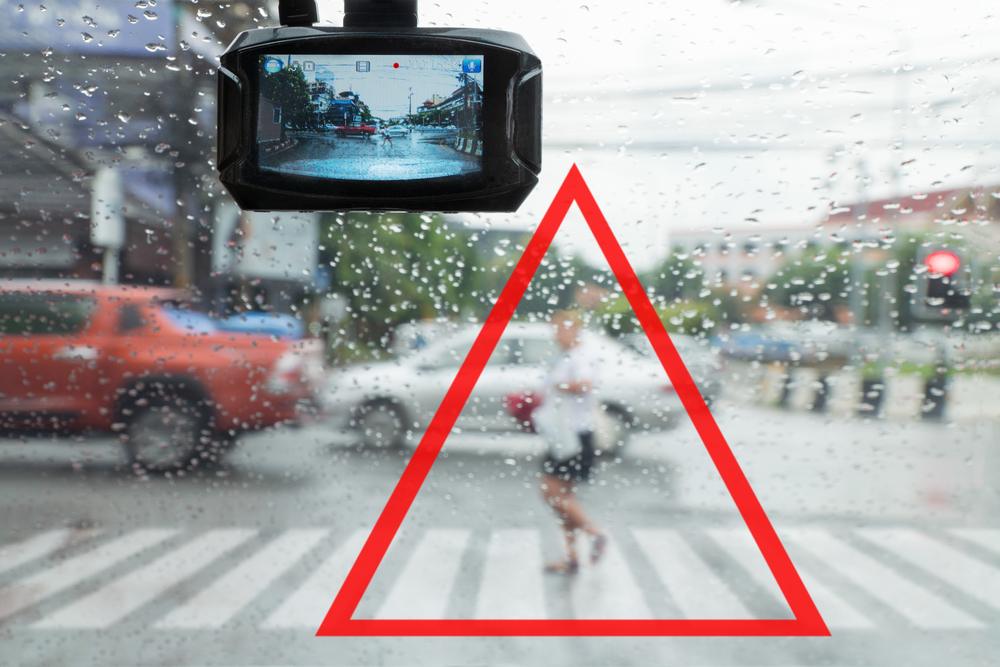
Disputes over who caused a pedestrian collision come up regularly. The driver may say the pedestrian stepped into the road suddenly. The insurer may focus on the absence of a painted crosswalk. A police report may contain a version of events that does not match what the pedestrian experienced.
The evidence answers those disputes rather than the initial characterization from either side. Video, signal timing, witness accounts, vehicle damage patterns, and the physical layout of the intersection help establish what happened.
How Does Shared Fault Affect a Connecticut Pedestrian Claim?
Shared fault does not automatically end a Connecticut pedestrian claim. Connecticut's comparative negligence law, C.G.S. § 52-572h, reduces the injured person's compensation by their assigned percentage of fault rather than eliminating it. Recovery remains available when the pedestrian's share of fault does not exceed the combined share assigned to the responsible parties.
A pedestrian who bears some responsibility for the collision may still pursue a claim. The percentage assigned to each party depends on the evidence, not on the adjuster's initial position.
What Changes in Daily Life After a Pedestrian Injury?
Pedestrian injuries disrupt walking, working, driving, household responsibilities, and other ordinary activities. Documenting those changes is what gives a claim its shape and value.
The losses that factor into a pedestrian injury claim reflect how the collision changed the person's daily life:
- Treatment and rehabilitation costs cover emergency care, surgery, hospitalization, physical therapy, and follow-up appointments tied to the collision.
- Time away from work or inability to perform physical job duties results in lost income verified through employer records.
- Transportation and mobility limitations during recovery affect how the person gets to appointments, manages errands, and maintains independence.
- Assistance needed with household tasks, childcare, or family responsibilities creates additional documented costs and disruption.
- Future treatment, scarring, or lasting functional restrictions require medical evidence projecting the expected need and cost.
Each category requires its own supporting records. Gaps in documentation create room for the claim's value to be disputed during negotiations.
What About Injuries That Affect Mobility Long Term?
A leg fracture that prevents weight-bearing for several weeks changes how a person gets to work, manages household tasks, and cares for family members. A head injury from striking pavement may affect concentration, balance, and the ability to return to the same job.
These practical effects shape the claim's value beyond the initial medical bills. Future treatment, ongoing limitations, and changes in earning ability all require medical evidence projecting the expected course of recovery and any lasting restrictions.
What Happens When the Driver Leaves or Lacks Adequate Insurance?
A pedestrian hit by a car in Glastonbury faces an additional problem when the driver leaves the scene or carries too little liability coverage to address the injuries. The driver's insurance is not always the only potential source of recovery.
Connecticut auto policies include uninsured and underinsured motorist coverage subject to statutory requirements under C.G.S. § 38a-336. That coverage extends to situations where the insured person is struck as a pedestrian, depending on the specific policy terms and circumstances.
Whether coverage applies requires a review of the injured person's own auto policy, the policy limits, and the facts of the collision. We review the insurance picture in every pedestrian case to identify all available sources of recovery.
How Does The Flood Law Firm Handle a Disputed Pedestrian Claim?

Pedestrian litigation starts with reconstructing the crossing. We determine where the collision occurred, what traffic controls governed that location, and what evidence documents each person's conduct. When surveillance footage, signal data, or other time-sensitive records are at risk of being lost, we take steps to preserve them early.
From there, the investigation connects the traffic evidence to the injuries, insurance, and disputed issues. Medical records, employment documentation, and evidence of daily-life limitations build the claim's value around what actually changed for the injured person. When the driver's or insurer's account does not match the physical and documentary evidence, we prepare that specific dispute for litigation.
The Flood Law Firm was founded in 2012 by brothers Brian and Christopher Flood. Brian Flood is a Fellow of the American College of Trial Lawyers and a member of the American Board of Trial Advocates. Christopher Flood takes disputed injury cases through trial. Other Connecticut attorneys refer difficult personal injury matters to the firm because of that litigation background.
We handle both serious pedestrian cases and less complex claims. For qualifying cases, clients do not owe attorney fees unless we recover compensation.
How Does a Pedestrian Claim Differ From Other Injury Cases?
Our Glastonbury personal injury attorneys handle pedestrian claims alongside other injury cases involving disputed responsibility. Glastonbury car accident claims and pedestrian collisions involve many of the same driver-conduct questions, but a pedestrian case requires close attention to crosswalk rules, traffic signals, and the person's location before impact.
Slip and fall injuries in Glastonbury involve premises liability questions rather than the traffic rules that govern a pedestrian struck by a vehicle. The legal framework, evidence, and responsible parties differ depending on whether the injury happened on a roadway or on someone's property.
If the driver disputes where you were crossing or what the signal showed, call 860-346-2695 to discuss the evidence with a pedestrian accident attorney in Glastonbury, CT.
How Long Do You Have to File a Pedestrian Injury Claim in Connecticut?
Most negligence-based Connecticut pedestrian injury claims are subject to C.G.S. § 52-584. The two-year period begins when the person sustains the injury, discovers it, or reasonably should have discovered it. A three-year final deadline runs from the negligent act or omission.
Filing after the applicable deadline may bar the claim. Prompt legal review identifies which deadlines apply and preserves the right to proceed.
FAQs for Glastonbury Pedestrian Accident Claims
Does a Crosswalk Have to Be Painted for Connecticut Law to Protect a Pedestrian?
No. Connecticut law recognizes both marked and unmarked crosswalks under C.G.S. § 14-300. The applicable rule depends on the intersection, traffic controls, and the pedestrian's position at the time of the collision.
Is a Claim Possible If I Was Crossing Outside a Crosswalk?
Yes, depending on the facts. Crossing outside a crosswalk affects the right-of-way analysis, but it does not automatically excuse negligent driving. The driver's conduct and the pedestrian's conduct both require evaluation based on the available evidence.
What If a Turning Driver Hit Me in a Crosswalk?
A turning driver may be responsible for striking a pedestrian in a crosswalk. At a controlled intersection, Connecticut law gives a properly crossing pedestrian the right-of-way over turning vehicles until the pedestrian reaches the opposite curb or safety zone.
Does My Own Auto Insurance Apply If I Was Walking When a Car Hit Me?
Yes, in some circumstances. Uninsured or underinsured motorist coverage under a pedestrian's own auto policy may become relevant when the driver lacks adequate insurance, depending on the policy terms and the facts of the collision.
Can a Family Member Contact The Flood Law Firm for a Seriously Injured Pedestrian?
Yes. A spouse, parent, adult child, or other family member may contact the firm to explain what happened and ask about next steps when the injured person is unable to manage the initial inquiry.
Have the Crossing and Evidence Reviewed
You do not need to know whether the location legally counts as a crosswalk or sort out the driver's version of events before calling. The Flood Law Firm reviews the crossing location, traffic controls, available evidence, and injuries to explain what the claim requires under Connecticut law.
We offer free consultations for pedestrian injury cases in Glastonbury and statewide. Reach us at 860-346-2695 to get started.