A fall at a local grocery store or an injury on a poorly maintained sidewalk can leave you dealing with more than physical pain. Medical bills arrive quickly, and time away from work adds financial pressure to an already stressful situation. When a property owner's negligence causes your injury, you have the right to pursue compensation for your losses.
The Flood Law Firm represents injured people throughout Middletown and Middlesex County in premises liability claims. Our Middletown premises liability lawyers have recovered more than $100 million for clients across Connecticut, and we bring that same commitment to every slip and fall case. From our office on Washington Street in downtown Middletown, we fight for fair compensation against property owners and insurance companies who refuse to take responsibility.
Many people who suffer fall injuries wonder whether their case is "serious enough" to involve an attorney. Insurance adjusters count on that hesitation. Our team has achieved six-figure results from cases that initially appeared to involve minor soft-tissue injuries. The true value of a claim often becomes clear only after a thorough investigation.
Why Choose The Flood Law Firm for Your Middletown Premises Liability Case
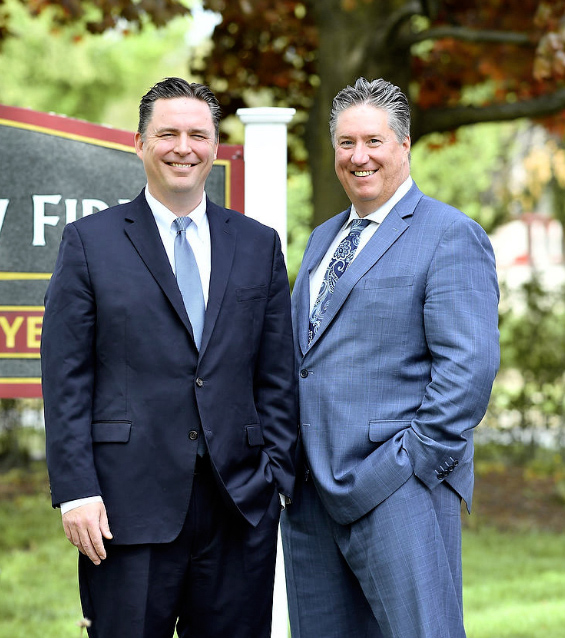
Premises liability claims require attorneys who understand how to prove that a property owner knew about a dangerous condition in premises liability accidents. Insurance companies aggressively dispute these cases, sometimes arguing that the injured person caused their own fall. Our attorneys have tried more civil jury cases than almost any other lawyers in Connecticut, and that courtroom experience influences how insurers evaluate our clients' claims.
A Firm That Only Represents Injured People
Unlike firms that represent both plaintiffs and insurance companies, The Flood Law Firm has never employed former insurance defense attorneys. We only represent injured people, which means our strategies remain focused entirely on your recovery. This distinction matters when negotiations become difficult and trial preparation begins.
Recognition and Results Across Connecticut
Our firm has earned Best Law Firms recognition for four consecutive years, from 2023 through 2026. Our attorneys hold Super Lawyers ratings and National Board of Trial Advocacy recognition. These credentials translate into real outcomes for clients who have suffered injuries on unsafe properties throughout the state.
Local Presence in Middletown
Our Middletown headquarters sits at 190 Washington Street, minutes from the commercial districts where many premises liability injuries occur. We offer consultations in both English and Spanish, and you pay nothing unless we win your case.
What Counts as Premises Liability in Connecticut
Connecticut law requires property owners to maintain reasonably safe conditions for people who enter their land. When owners fail to address known hazards or neglect routine inspections, they may bear legal responsibility for resulting injuries.
The Property Owner's Duty of Care
Not every visitor receives the same level of protection under Connecticut law. The Connecticut General Statutes establish different duties based on why someone enters a property. Invitees, such as customers at retail stores, receive the highest protection. Property owners must actively inspect for hazards and correct dangerous conditions for these visitors.
Licensees, like social guests, receive a lesser duty. Owners must warn them about known dangers but have no obligation to search for hidden hazards. Trespassers generally receive the least protection, though Connecticut law still prohibits intentional harm.
Proving Notice of a Dangerous Condition
A successful premises liability claim typically requires proof that the property owner knew about the hazard. Actual notice means the owner had direct knowledge of the danger. Constructive notice applies when a hazard existed long enough that a reasonable owner would have discovered it through ordinary inspections.
This notice requirement often becomes the central dispute in premises liability slip and fall cases. Our attorneys investigate maintenance records, security footage, and employee protocols to establish what the owner knew and when.
Common Premises Liability Injuries in Middletown
Falls and other property-related accidents cause injuries that range from minor bruises to permanent disabilities. The type and severity of injury significantly influence the value of a premises liability claim.
Premises liability cases in the Middletown area commonly involve these hazardous conditions:
- Wet or slippery floors in grocery stores and retail locations along Main Street and Washington Street
- Snow and ice accumulation on sidewalks, parking lots, and building entrances during Connecticut winters
- Broken stairs, loose handrails, and structural defects in apartment buildings and commercial properties
- Inadequate lighting in parking garages, stairwells, and walkways near downtown businesses
- Uneven pavement and cracked sidewalks in older sections of Middletown's commercial districts
Each hazard creates specific challenges in proving liability. Our attorneys know how to document these conditions and connect them to the property owner's negligence.
Soft-Tissue Injuries and Their True Value
Insurance companies sometimes dismiss soft-tissue injuries like sprains and strains as minor. However, these injuries frequently require months of physical therapy and may cause chronic pain. Our firm has recovered six-figure settlements for clients whose soft-tissue injuries were initially undervalued by adjusters.
Traumatic Brain Injuries from Falls
A fall that causes your head to strike the ground may result in a traumatic brain injury. These injuries require extensive medical documentation, and their long-term effects may significantly influence claim value. Even a "mild" concussion may produce symptoms that persist for months or years.
Fractures and Orthopedic Injuries
Broken bones from slip and fall accidents often require surgery and lengthy rehabilitation. Older adults face particular risks, as hip fractures may permanently reduce mobility. The cost of medical care combined with diminished quality of life factors heavily into compensation calculations.
How Much Is My Premises Liability Case Worth?

Every premises liability case involves unique circumstances that influence its value. No ethical attorney provides a specific dollar figure before investigating the facts. However, certain factors consistently affect how claims are evaluated.
Factors That Influence Claim Value
The severity of your injuries and required medical treatment form the foundation of most claims. Documentation of medical expenses, lost wages, and pain and suffering helps establish fair compensation. Property owner conduct also matters. Evidence that an owner ignored repeated warnings may strengthen your position significantly.
Connecticut follows a modified comparative negligence rule under Connecticut General Statutes § 52-572h. If you bear some responsibility for your injury, your compensation may be reduced proportionally. You may still recover damages as long as your share of fault is 50 percent or less.
Types of Compensation Available
Premises liability claims may include compensation for economic losses like medical bills, lost income, and property damage. Non-economic damages address pain and suffering, emotional distress, and reduced quality of life. Our attorneys evaluate every aspect of your claim to pursue compensation that reflects the true impact of your injuries.
Fighting Insurance Companies After a Middletown Slip and Fall
Insurance adjusters who handle premises liability claims have one primary goal: minimize payouts. They accomplish this through delay tactics, recorded statements designed to undermine your claim, and settlement offers that fail to account for future medical needs.
Why Insurers Dispute Premises Liability Claims
Property insurance policies cover liability claims, which gives insurance companies a direct financial interest in denying or reducing your compensation. Adjusters may argue that you failed to watch where you were walking or that the property owner had no notice of the dangerous condition.
These disputes often come down to evidence. Security camera footage may disappear if it is not preserved quickly. Maintenance logs may lack entries for the area where you fell. An attorney who understands these tactics may help you preserve critical evidence.
How Legal Representation Changes the Dynamic
Insurance companies track which attorneys take cases to trial. Our firm's courtroom experience sends a message that we prepare every case as though it may go before a jury. This reputation influences how adjusters approach negotiations from the first conversation.
What to Do After a Premises Liability Injury
The steps you take after a fall on someone else's property may significantly affect your ability to pursue compensation during the personal injury claim process. Following through with medical treatment demonstrates the seriousness of your injuries and creates documentation that supports your claim.
Keep copies of all medical records, bills, and receipts. A recovery journal that tracks your symptoms and limitations provides valuable evidence. Request a copy of any incident report filed at the location where you fell.
Gather Evidence That Supports Your Claim
Property owners rarely preserve evidence voluntarily. Your attorney may send a spoliation letter, a formal demand that the property owner retain security footage and maintenance records. Acting quickly matters because many surveillance systems overwrite footage within days.
Bring Your Information to The Flood Law Firm
Compile everything you have gathered and bring it to your consultation. Medical records, photographs, and witness contact information all help our attorneys evaluate your claim. Even incomplete documentation provides a starting point for our investigation.
Connecticut Laws That Affect Your Premises Liability Claim

State law establishes the rules that govern premises liability cases in Middletown. Familiarity with these requirements helps you understand your rights and the timeline for pursuing compensation.
Statute of Limitations for Filing a Claim
Connecticut law sets a two-year deadline for filing personal injury lawsuits, including premises liability claims. In most cases, this clock starts when you are injured or when you reasonably should have discovered your injury. Missing this deadline generally bars you from pursuing compensation through the court system.
Municipal Liability and Notice Requirements
Claims against Connecticut municipalities involve additional procedural requirements. Connecticut General Statutes § 13a-149 requires written notice to the municipality within 90 days of an injury caused by a defective road or sidewalk. These shortened deadlines make prompt legal consultation especially important.
Premises Liability Risks Throughout Middletown
Middletown's mix of historic buildings, modern retail centers, and seasonal weather creates conditions where premises liability injuries occur regularly. Commercial corridors along Main Street and Washington Street see heavy foot traffic.
Winter Weather and Property Owner Responsibility
Connecticut winters bring snow and ice that create hazardous conditions on sidewalks and parking lots. Property owners must clear any accumulation within a reasonable time. TheConnecticut Department of Transportation maintains most state roads, while towns usually handle adjoining sidewalks, and private property owners remain responsible for their own premises.
Commercial Properties and Retail Locations
Grocery stores, restaurants, and retail establishments must maintain clean, dry floors and address spills promptly. When employees fail to follow cleaning protocols or place warning signs, customers suffer preventable injuries in a personal injury case. Our attorneys investigate whether businesses had adequate inspection procedures and followed established safety protocols.
FAQ for Middletown Premises Liability Lawyers
Who pays for my medical bills while my case is pending?
Your health insurance typically covers initial medical treatment, and these costs become part of your claim against the property owner. Your attorney may help you find medical providers who agree to treat you on a lien basis, awaiting payment until your case resolves.
What if I fell at a rented property?
Liability may rest with the property owner, the tenant, or both depending on lease terms. Common areas typically remain the landlord's responsibility. Our attorneys review lease agreements to identify all potentially liable parties.
Do I have a case if there was no wet floor sign?
The absence of a warning sign may support your claim, but it alone does not guarantee liability. Your attorney must also prove the property owner knew or had reason to know about the hazard. Our team investigates inspection logs and employee practices to build a complete picture.
What if the property owner blames my footwear for the fall?
Insurance adjusters frequently argue that inappropriate shoes caused the accident. Connecticut law considers all relevant factors, including the condition of the floor and whether warnings were present. Our attorneys counter these tactics by focusing on the property owner's failure to maintain safe conditions.
Take the First Step Toward Recovery
One conversation may change how you think about your premises liability claim. Many people who contact our office feel uncertain about whether they have a case worth pursuing. After reviewing the facts, they may discover significant value that insurance companies hope they never recognize.
The Flood Law Firm offers free consultations at our Middletown office on Washington Street. We represent clients on a contingency fee basis, which means you pay nothing unless we recover compensation for you. Our team speaks both English and Spanish.
Contact us to schedule your consultation. A premises liability attorney from our team is ready to listen and fight for the fair compensation you seek.