Suffering injuries or other losses after a rideshare accident in Waterbury, Connecticut, can leave you with unexpected medical bills, time away from work, and difficult decisions about your next steps. When a collision involves a rideshare vehicle, the claim process works differently than with a typical car accident. The involvement of a large corporation, its insurance policies, and its driver’s personal coverage often leads to more disputes over who should pay and how much. A Waterbury rideshare accident lawyer from The Flood Law Firm can help you hold the responsible parties accountable and pursue financial recovery for your losses.
Our firm represents accident victims throughout Connecticut who have been injured in rideshare collisions. Our attorneys know how to handle these cases, whether they involve Uber, Lyft, or other rideshare services. We understand the steps needed to build a strong case and address the tactics insurance companies use to reduce payouts. Our team works to secure outcomes that help clients move forward after an accident.
If you were hurt in a rideshare accident in Waterbury, contact us today to discuss how we can assist you.
Common Types of Rideshare Accidents in Waterbury
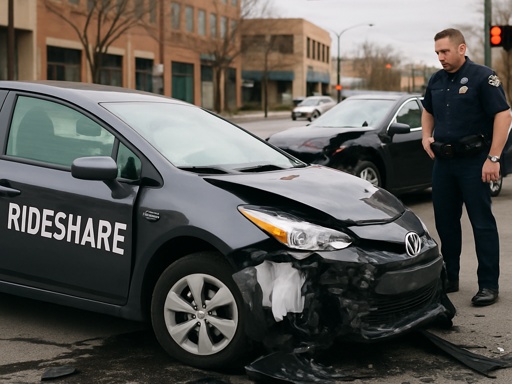
Rideshare accidents happen in many ways. Busy intersections, high-traffic roads, and local landmarks in Waterbury can all become the scene of a collision. Understanding the common situations that lead to these crashes helps show why legal help matters. Why You Need a Lawyer is to handle insurance disputes, prove liability, and pursue the full compensation you deserve.
Driver-Related Accidents
Many rideshare crashes stem from driver actions such as speeding, distracted driving, or failing to yield. In areas like the intersection near Brass Mill Center, rideshare drivers may rush to pick up or drop off passengers, which increases the risk of a collision.
Vehicle Maintenance Issues
Rideshare drivers use their personal vehicles, and not all keep up with required maintenance. Worn brakes, bald tires, or faulty lights can cause accidents. A driver operating along East Main Street with mechanical problems could put passengers and others on the road in danger.
Passenger Injuries During Pickup/Dropoff
Not all accidents involve a moving vehicle. Some passengers suffer injuries while getting in or out of the car. For example, a pickup along Bank Street where traffic is heavy could lead to a passenger being struck by another vehicle or tripping due to uneven pavement.
Third-Party Collisions
Sometimes, another driver causes the accident. A rideshare vehicle traveling on West Main Street might get hit by a speeding car running a red light. In these cases, liability may rest with the other driver rather than the rideshare operator.
Who Is Liable in a Waterbury Rideshare Accident?
Liability in a rideshare accident depends on who contributed to the crash and the specific circumstances surrounding it. Rideshare collisions often involve more than one potentially responsible party. Sorting through these details requires looking at how the accident happened, the driver’s status in the app, and which insurance policies apply at the time. What Should I Look For When Hiring a lawyer? Choose someone with experience in rideshare cases, knowledge of insurance disputes, and a track record of results.
The facts of the case will determine whether responsibility falls on the rideshare company, the driver, another motorist, or even a public agency.
Rideshare Company Liability
Rideshare companies like Uber and Lyft carry substantial insurance coverage when their drivers are actively working. If the driver had accepted a fare or was transporting a passenger when the accident occurred, the company’s policy might provide up to $1 million in liability coverage. This can apply when the rideshare driver caused the collision, or when another driver with insufficient insurance is at fault.
However, these companies often try to reduce or deny claims, sometimes arguing that the driver’s actions fell outside the scope of their policy. For example, if a crash happens along Watertown Avenue during a paid trip, the rideshare company’s coverage may apply, but the insurer might dispute parts of your claim to save money.
Driver Personal Insurance Coverage
When the driver is not logged into the rideshare app, their personal auto policy is generally the only coverage available. This can create problems if the driver was technically between rides but still had the app open. Personal auto insurers often have exclusions for commercial use, meaning they might deny claims if they find out the driver was waiting for ride requests.
For instance, if a rideshare driver cruising near Hamilton Park hasn’t accepted a ride yet, their personal coverage could be the primary source of payment—unless the policy excludes such activity. What To Say After An Accident should be limited to reporting facts to police and insurers; avoid admitting fault and contact a lawyer first.
Third-Party Driver Responsibility
In many rideshare accidents, another motorist is at fault. That driver’s insurance would then be the primary source of recovery for your injuries and property damage. These cases can still become complicated because third-party insurers may try to shift some blame to the rideshare driver or even the passenger to lower their payout.
Consider a scenario where a rideshare car on West Main Street is struck by a driver running a red light. While the at-fault driver’s insurance should cover the damage, they may argue that the rideshare driver’s actions contributed to the crash to reduce their liability.
Municipal Liability for Road Conditions
Not every rideshare accident is caused solely by driver behavior. Poor road conditions, faulty traffic lights, or missing signage can also play a role. When a hazard contributes to a crash, the city, state, or another public entity responsible for maintaining that part of the roadway could share liability.
For example, if a rideshare driver swerves to avoid a deep pothole on East Main Street and collides with another vehicle, the agency responsible for road maintenance could be partly responsible for the resulting damages. Claims against government entities have specific notice requirements and shorter deadlines, so swift legal action is necessary.
Connecticut Rideshare Insurance Requirements
Connecticut law sets specific insurance requirements for rideshare drivers, which differ from standard drivers.
Mandatory Coverage Levels for Rideshare Drivers
When drivers are logged into the app but haven’t accepted a ride, they must carry minimum coverage of $50,000 for injury or death per person, $100,000 per accident, and $25,000 for property damage. Once a ride is accepted, coverage increases significantly, often to $1 million in liability insurance.
Gap Coverage Issues
Some rideshare drivers assume their personal insurance covers them until a passenger gets in the car. However, personal policies often exclude coverage when the driver is logged into the app. This gap can leave injured passengers or other drivers fighting over which policy applies.
Commercial vs. Personal Insurance Policies
Rideshare companies use commercial policies for active rides, but these only apply during specific time frames. If the app is off, the driver’s personal policy is the only coverage, even if the driver was on the way to start work.
Uninsured/Underinsured Motorist Protection
Connecticut requires uninsured and underinsured motorist coverage, which can help if the at-fault driver has little or no insurance. This protection can be critical when a rideshare driver or passenger gets hit by an uninsured vehicle.
What Damages Can I Recover After a Rideshare Accident?

A rideshare accident can leave you with various losses. The law allows injured parties to pursue financial recovery for different types of damages.
Medical Expenses and Future Treatment Costs
You can seek repayment for ambulance bills, hospital stays, doctor visits, medication, physical therapy, and any future medical needs related to your injuries.
Lost Wages and Diminished Earning Capacity
If your injuries keep you from working, you can recover the income you missed. Severe injuries that affect your ability to work long-term can also lead to claims for reduced earning potential.
Pain and Suffering Compensation
Non-economic damages account for the physical discomfort, mental strain, and reduced enjoyment of life after an accident. Can You Sue for Pain and Suffering? Yes, Connecticut law allows accident victims to pursue compensation for these intangible losses. For example, an injury preventing you from participating in hobbies or activities you once enjoyed could be part of your claim.
Property Damage Recovery
If personal items like your phone, laptop, or clothing were damaged in the crash, you can seek repayment for their repair or replacement.
Challenges in Rideshare Accident Cases
Rideshare accidents often involve more disputes and legal obstacles than other crashes.
Multiple Insurance Policies and Coverage Disputes
Rideshare cases can involve the driver’s personal policy, the rideshare company’s policy, and, sometimes, another driver’s coverage. Insurers often argue over which one should pay.
App Status at Time of Accident
The driver’s app status determines which insurance policy applies. Disputes over the driver’s status can delay claims.
Corporate Shield Tactics
Rideshare companies may argue that drivers are independent contractors to limit their own liability. This tactic can make it harder to hold the company responsible without strong evidence.
Statute of Limitations Concerns
Connecticut law limits the time you have to file a personal injury claim. Waiting too long could result in losing your right to take legal action.
How Can Our Waterbury Rideshare Accident Lawyers Help?
The Flood Law Firm knows how to handle the specific issues that come up in rideshare claims.
- Investigation and Evidence Gathering: We gather police reports, witness statements, rideshare app data, and any available camera footage to strengthen your case.
- Negotiating with Multiple Insurance Companies: Our attorneys deal directly with the various insurers involved, pushing back against low settlement offers and delaying tactics.
- Understanding Rideshare Company Policies: We review the rideshare company’s insurance and operational policies to identify coverage that benefits your case.
- Maximizing Compensation Recovery: We work to account for all your losses, both immediate and future, to secure a settlement or award that reflects the full extent of your damages.
Why Choose Our Waterbury Law Firm for Your Rideshare Case?

Choosing the right law firm can make a difference in the outcome of your case.
Local Knowledge of Connecticut Laws
Our attorneys work throughout Connecticut, including right here in Waterbury. We know how state laws affect rideshare accident cases and how local court procedures work. This familiarity extends to understanding the traffic patterns and accident-prone areas in Waterbury, which can be important when presenting evidence.
Experience with Rideshare Companies
Rideshare companies operate under unique business models that differ from traditional taxi or transportation services. We’ve handled claims involving both Uber and Lyft, so we know how their insurance policies are structured and the ways they try to avoid paying full value. What Do Car Accident Lawyers Do? They investigate crashes, gather evidence, negotiate with insurers, and represent you in court if needed. Whether your accident happened while the driver was transporting you from the Brass Mill Center or while you were waiting for pickup near Library Park, we know what information to request and how to use it to your advantage.
Track Record of Successful Settlements
While no two cases are the same, our firm has secured favorable settlements for many clients injured in motor vehicle accidents, including those involving rideshare vehicles. We prepare every case as if it could go to trial, which often encourages insurers to offer better terms during settlement talks. This preparation shows the opposing side that we’re serious about pursuing full accountability for our clients’ losses.
No Fee Unless We Secure Compensation
We understand that accident-related expenses can create financial strain. That’s why we work on a contingency fee basis. You don’t pay any upfront legal fees, and our payment only comes from the recovery we obtain for you. This allows you to focus on your health and your recovery without worrying about how to afford legal representation.
Frequently Asked Questions About Waterbury Rideshare Accident Claims
How long do I have to file a rideshare accident claim in Connecticut?
In most cases, you have two years from the accident date to file a personal injury claim. Some cases may have shorter deadlines, so acting quickly is important.
Can I sue both the rideshare company and the driver?
Yes, in some cases you can file claims against both. Whether this is possible depends on the circumstances and insurance coverage.
What if the rideshare driver was off-duty when the accident occurred?
If the driver’s app was off, only their personal auto insurance applies, not the rideshare company’s coverage.
Do I need a lawyer if the insurance company offers a settlement?
Yes. Insurance companies often make initial offers that don’t cover the full extent of your losses. A Waterbury rideshare accident lawyer can review the offer and negotiate for a better outcome.
How much does it cost to hire a rideshare accident attorney?
The Flood Law Firm works on a contingency fee basis, meaning you don’t pay upfront legal fees. Payment comes from the recovery we secure for you.
Contact Our Premises Liability Attorneys in Glastonbury Now

Time matters after a rideshare accident. Evidence can disappear, and witnesses’ memories can fade. The sooner you contact a Waterbury rideshare accident lawyer, the better your chance of building a strong case. The Flood Law Firm offers free consultations to review your claim and explain your options.
Call us at (203) 575-1153 today to get started.