A fall on a broken or uneven sidewalk can disrupt your daily life in ways you never expected. Pain, missed work, medical appointments, and uncertainty often follow.
When a city-maintained sidewalk causes harm, suing the city of Danbury for sidewalk defects follows a very different path than a claim against a private property owner.
Danbury enforces a strict 90-day notice rule that cuts off claims before they ever reach court. Acting quickly and working with an attorney who understands local procedures can protect your claim and reduce avoidable mistakes.
If a public sidewalk caused your injuries, a Danbury slip and fall lawyer can review your situation during a free consultation.
Key Takeaways: Suing the City of Danbury for Sidewalk Defects
- Danbury requires written notice within 90 days for sidewalk injury claims.
- Connecticut General Statutes § 13a-149 governs sidewalk defect cases against cities.
- Photos, medical records, and witness details shape the case from day one.
- Proof that the city controlled the sidewalk forms the foundation of the claim.
- The city may attempt to shift blame, which affects potential recovery.
What Is the 90-Day Notice Requirement in Connecticut?

Connecticut General Statutes § 13a-149 allows injured people to bring claims when a defective public road or sidewalk causes harm. This statute replaces standard negligence rules with a specific framework for cities and towns. Filing a timely and accurate notice stands as the first required step.
Why Connecticut Law Requires Notice Before Filing a Lawsuit
Lawmakers designed the notice rule to alert cities quickly so they can inspect the defect and collect records while details remain fresh. Early notice also gives the city a chance to address dangerous conditions. The law places the responsibility for timely notice on the injured person.
What Information Must Be Included in Your Notice
A valid notice must include clear and specific facts:
- Date and time of the fall: Identify when the incident occurred.
- Exact location: Describe the sidewalk section precisely.
- Description of the defect: Explain what made the sidewalk unsafe.
- Injury details: Outline the harm suffered in plain language.
The Difference Between Notice Requirements for Cities vs. the State
Claims against cities follow § 13a-149. Claims against the State of Connecticut follow separate statutes and agencies. Mixing these procedures often results in dismissal.
How Do I File a 90-Day Notice with the City of Danbury?
The filing process appears simple, yet many claims fail due to avoidable errors.
Where to Send Your Notice in Danbury
Danbury requires delivery to the City Clerk’s Office. Notices sent to the police department, public works, or an insurance carrier do not satisfy the statute.
Proper Methods of Delivery Under Connecticut Law
Certified mail and in-hand delivery both meet statutory requirements. Certified mail provides proof of mailing and receipt, while hand delivery requires written confirmation.
What Happens After You Submit Your Notice
City officials may inspect the sidewalk and review maintenance records. An insurance adjuster might request statements or documents. Prompt and careful responses help protect your position.
Common Mistakes That Invalidate Your Notice
Errors include vague descriptions, missing deadlines, and incorrect delivery in slip and fall accidents. A fall near Main Street, for example, still requires a precise address or landmark to identify the exact slab of sidewalk.
What Are the Exceptions to the 90-Day Notice Rule?
Courts recognize limited exceptions, though they apply them narrowly.
When Immediate Danger Exists Under Connecticut Law
An immediate danger exception applies when a defect poses an urgent risk to public safety. Proof must show the danger required swift city action.
The Actual Notice Exception
Actual notice means the city already knew about the defect and the injury details within the 90-day window. Maintenance logs or prior written complaints often support this argument.
Situations Where the City May Waive the Requirement
Waiver occurs rarely and usually involves misleading conduct by city officials. Written evidence carries weight in these disputes.
How Do I Prove the City of Danbury Is Liable for My Sidewalk Injury?
Proving liability involves showing ownership, notice, and causation. An attorney plays a central role in gathering and presenting this proof for municipal liability in a slip and fall claim.
Establishing That the Defect Was on City-Owned Property
Sidewalk ownership does not always match assumptions. An attorney can obtain city maps, tax records, and maintenance agreements to confirm control. Sidewalks near White Street, for instance, often fall under city responsibility, while nearby segments may belong to private owners. Clear ownership proof directs the claim to the correct party.
Proving the City Had Actual or Constructive Notice of the Defect
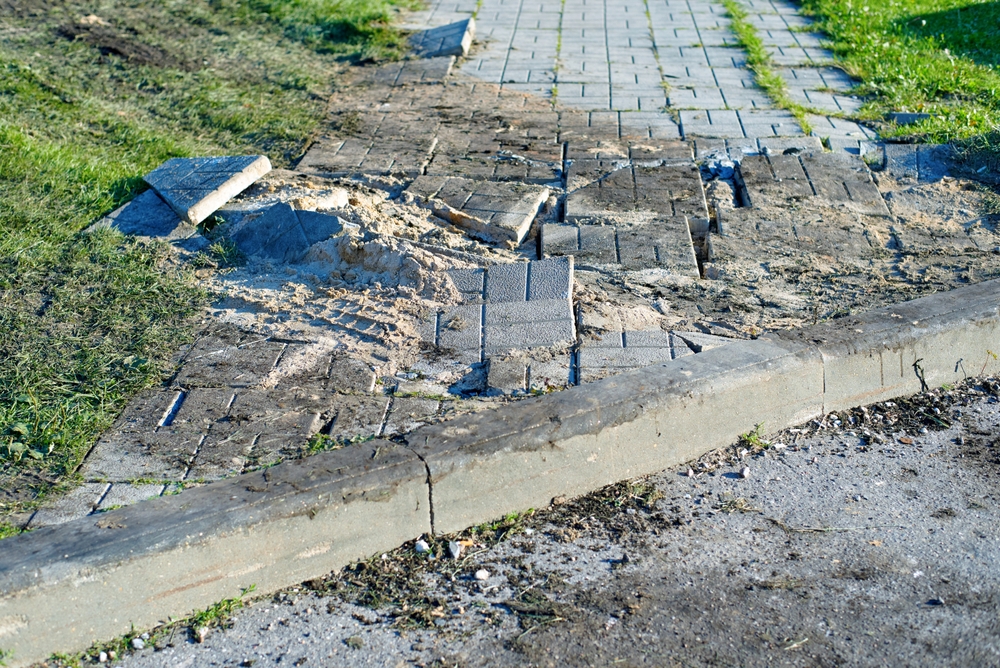
An attorney reviews public works logs, inspection schedules, and prior complaints to show notice. Constructive notice focuses on how long the defect existed. Photos showing weathering, crumbling edges, or repeated patching help show the city had enough time to find and fix the problem.
Demonstrating That the Defect Caused Your Injuries
Medical records connect the fall to your injuries. Treatment at facilities like Danbury Hospital or Western Connecticut Medical Group often provides early documentation. An attorney organizes these records to show how the sidewalk defect led directly to your harm.
Overcoming the City's Defenses Under Connecticut Law
Cities often argue lack of notice or attempt to blame footwear, distraction, or weather in slip and fall claims. An attorney anticipates these defenses and counters them with evidence, witness statements, and expert medical opinions when needed.
How Does Comparative Negligence Affect My Sidewalk Injury Claim?
Fault rules influence how damages are calculated and whether a claim proceeds.
Connecticut's Modified Comparative Negligence Rule
Connecticut follows a modified comparative negligence system. This rule reduces damages by the injured person’s share of fault. Fault exceeding 50 percent bars recovery entirely.
How the City May Argue You Were Partially at Fault
City attorneys may argue that you failed to watch where you were walking, wore unsafe shoes, or ignored visible hazards. An attorney reviews photos, lighting conditions, and pedestrian traffic patterns to respond to these claims.
The 51% Bar Rule and What It Means for Your Recovery
Staying below the 51 percent threshold allows a claim to move forward, though damages decrease proportionally. An attorney’s preparation helps keep fault arguments grounded in facts rather than assumptions.
What Evidence Do I Need to Support My Claim?
Strong evidence builds a clear story from the start and supports a claim against the City of Danbury for injuries caused by sidewalk defects.
Photographs and Video of the Sidewalk Defect
Photos taken soon after the fall capture size, depth, and location. A defect near Federal Road may look harmless after repairs, so early images preserve the original condition. Video from nearby businesses or traffic cameras can also show how long the defect existed.
Medical Records and Expert Testimony
Medical records document injuries, treatment, and recovery timelines. Doctors’ notes, imaging studies, and therapy records show how the fall affected mobility and daily activities. When needed, medical experts explain how the mechanics of the fall caused specific injuries.
Witness Statements
Witnesses may include passersby, nearby residents, or store employees. Their statements can confirm the defect’s condition, lighting, and traffic patterns. An attorney gathers these statements promptly while memories remain fresh.
Documentation of Prior Complaints to the City
Prior written complaints or service requests show notice in negligence in slip and fall cases. An attorney can request public records to uncover past reports, work orders, or inspection notes tied to the same sidewalk section.
What Damages Can I Recover in a Sidewalk Defect Case Against Danbury?
Damages reflect measurable losses connected to the fall.
Medical Expenses and Future Treatment Costs
Emergency care, follow-up visits, therapy, and medication costs form the base of a claim. Treatment plans help estimate future care needs.
Lost Wages and Loss of Earning Capacity
Missed work affects income and job stability. Pay records and employer statements show lost wages and reduced earning ability.
Pain and Suffering
Pain, discomfort, and limits on daily routines affect quality of life. Journals and medical notes help explain how injuries changed your ability to work, sleep, and move.
Connecticut's Cap on Municipal Liability Under CGS § 7-465
Connecticut limits damages against municipalities to $100,000 per person. This cap shapes negotiations and trial decisions.
What Is the Statute of Limitations for Suing the City of Danbury?
Connecticut allows two years from the injury date to file a lawsuit. Missing this deadline ends the claim.
How the 90-Day Notice Affects Your Timeline
The notice requirement does not pause the two-year clock. Both deadlines must be met independently.
What Happens If You Miss the Deadline
Courts dismiss late claims without reviewing evidence. Prompt action protects your right to proceed.
How The Flood Law Firm Can Help
When a fall on a city sidewalk leads to injuries, fast action and careful handling matter. At The Flood Law Firm, we focus on protecting clients who were hurt because the City of Danbury failed to keep public walkways safe.
Our team steps in early to manage deadlines, gather proof, and deal directly with the city and its insurers, so you don’t have to carry that burden alone.
Managing the 90-Day Notice and All Deadlines
Connecticut’s 90-day notice rule leaves no room for error. We prepare and file the written notice required under state law, making sure it includes the right details and reaches the Danbury City Clerk on time.
Our attorneys track every deadline that follows, including the two-year statute of limitations, so the claim stays on solid ground from the start.
Investigating the Sidewalk and Proving City Responsibility
Sidewalk cases rise or fall on ownership and notice, which is one reason you need a lawyer after a slip and fall. Our firm investigates whether the city controlled the sidewalk where the fall occurred. We review municipal maps, maintenance records, and public works documents to confirm responsibility.
When disputes arise, we use records and testimony to show that the city, not a private owner, had the duty to maintain the walkway.
Building Evidence That Supports Your Claim
Strong cases rely on organized proof. We collect photos and video of the sidewalk defect, track down witnesses, and secure medical records that link your injuries to the fall.
When prior complaints or repair requests exist, we obtain those records to show the city knew, or should have known, about the hazard before you were hurt.
Handling Insurance Adjusters and City Attorneys
Cities rarely accept responsibility without pushback. Our attorneys handle all communication with insurance adjusters and city lawyers, responding to fault arguments and notice defenses with facts and documentation.
This approach keeps pressure off you and prevents misstatements that could weaken the claim.
Guidance, Communication, and Support
Throughout the process, we keep you informed and involved. Our team explains each step in plain language, answers questions promptly, and provides honest guidance about what to expect.
At The Flood Law Firm, our goal centers on careful advocacy, steady communication, and protecting your rights while you focus on recovery.
FAQs About Sidewalk Slip and Fall Claims in Danbury, CT
How long do I have to file a claim if I fell on a city sidewalk in Danbury?
For city sidewalks on streets like Main St and White St, you must file a specific written notice with the Danbury City Clerk within 90 days, or the case is dismissed immediately.
Can I still sue if the city fixes the sidewalk after my fall?
Yes. Repairs after the incident do not erase responsibility. Early photos help preserve proof.
What if I don't know exactly which government entity owns the sidewalk?
An attorney can research ownership through maps and records to ensure the claim targets the correct party.
Does the 90-day notice requirement apply to private property owners?
No. Private property claims follow different rules and deadlines.
Can I file a claim if I was injured on a sidewalk during winter weather?
Yes. Weather does not excuse unsafe defects. The claim still depends on notice, ownership, and proof.
Contact Our Danbury Slip and Fall Attorneys Today

Strict timelines control claims against the city, and early action protects your options. The Flood Law Firm offers local insight and careful preparation for cases involving sidewalk defects.
Reach out for a free consultation to discuss your situation and learn how an attorney can help document losses, meet deadlines, and pursue compensation based on the facts of your case.