Hearing that your personal injury case might go to trial raises a lot of questions, and most of them are practical rather than legal. People want to know what happens if their personal injury case goes to trial, what their role is, and how long the process takes. The uncertainty is often worse than the process itself.
Most of that anxiety comes from not knowing what to expect. The personal injury trial process in Connecticut is more structured and predictable than it appears from the outside. Understanding each stage ahead of time helps you make informed decisions about offers along the way and feel prepared if the case reaches a courtroom.
What Happens When a Connecticut Personal Injury Case Goes to Trial?
Usually, a personal injury case goes to trial only after settlement negotiations fail. Both sides present evidence, question witnesses, and make legal arguments before a judge or jury in Connecticut Superior Court. Most personal injury cases settle before trial, but preparing for litigation often strengthens the settlement position.
Key Takeaways for Connecticut Personal Injury Trials
- Most Connecticut personal injury cases resolve before reaching a courtroom, but trial readiness often improves the outcome because insurers evaluate whether your attorney is prepared to litigate.
- A Connecticut personal injury trial involves jury selection, opening statements, witness testimony, cross-examination, closing arguments, jury instructions, and a verdict on both liability and damages.
- The plaintiff carries the burden of proof, meaning your legal team must show it is more likely than not that the defendant's negligence caused your injuries.
- Discovery, depositions, and pretrial motions happen months before trial and shape the evidence both sides may present.
- A case may still settle at any point before the jury returns a verdict, including during the trial itself.
Do Most Personal Injury Cases Go to Trial?
The vast majority of personal injury lawsuits in Connecticut resolve before reaching a courtroom. Negotiation, mediation, and pretrial procedures handle most claims without a jury ever hearing the case.
That said, the possibility of trial drives much of the process. Insurance companies evaluate whether the opposing attorney is genuinely prepared to present the case to a jury. When the answer is yes, the insurer has more reason to offer a reasonable amount during negotiations.
The Flood Law Firm prepares every case as though it may end up before a jury. That preparation strengthens the claim during negotiations and means the case is ready to move forward if a fair resolution is not reached.
Why Does a Personal Injury Case End Up at Trial?
A case goes to trial when the two sides are unable to agree on liability, damages, or both. Sometimes the insurance company denies fault entirely. Other times the insurer acknowledges some responsibility but disputes the severity of injuries or the value of the claim.
Several factors influence whether a case heads to trial or resolves through negotiation:
- The insurance company disputes who caused the accident, leaving liability unresolved.
- The gap between the offer and the documented losses is too wide for compromise.
- Medical evidence is complex, and the insurer challenges the connection between the accident and the injuries.
- Multiple defendants are involved, and each one points blame at the others rather than accepting responsibility.
- The insurer believes the plaintiff's attorney is unlikely to follow through with litigation.
None of these situations means a trial is automatic. Discussions may continue right up to and even during trial. But when an agreement is not possible, the courtroom becomes the forum for resolving the dispute.
What Happens Before a Connecticut Personal Injury Trial?
Months of preparation happen before anyone enters a courtroom. The pretrial phase builds the evidentiary foundation that both sides rely on during trial. Most of the work happens behind the scenes, but some stages involve the client directly.
| Stage | What Happens |
| Investigation | Evidence is gathered and liability is evaluated. |
| Discovery | Both sides exchange documents, records, and information. |
| Depositions | Witnesses answer questions under oath before trial. |
| Settlement negotiations | The parties continue trying to resolve the case. |
| Pretrial motions | Attorneys argue over what evidence and testimony the jury may see. |
| Trial | Evidence is presented before a judge or jury. |
What Happens During Discovery?
Discovery is the phase where both sides share the evidence they have. Each party requests documents, medical records, employment records, and other information that is relevant to the claim. Written questions called interrogatories may also be part of this phase.
For you as the plaintiff, discovery reveals what evidence the defense plans to use and what arguments they are likely to raise. It also forces the insurance company to turn over internal records and communications. The process often takes several months and sometimes leads to renewed discussions once both parties see the full strength and weakness of each side's position.
What Is a Deposition?
A deposition is sworn testimony given outside the courtroom, usually in an attorney's office. A court reporter records every word. The opposing attorney asks questions, and the witness answers under oath.
As the plaintiff, you may be deposed. The defense attorney asks about the accident, your injuries, your medical treatment, and how the injuries affect daily life. Your attorney prepares you beforehand and attends the deposition. The goal is to answer honestly and clearly without volunteering extra information.
What Does a Personal Injury Trial Actually Look Like?
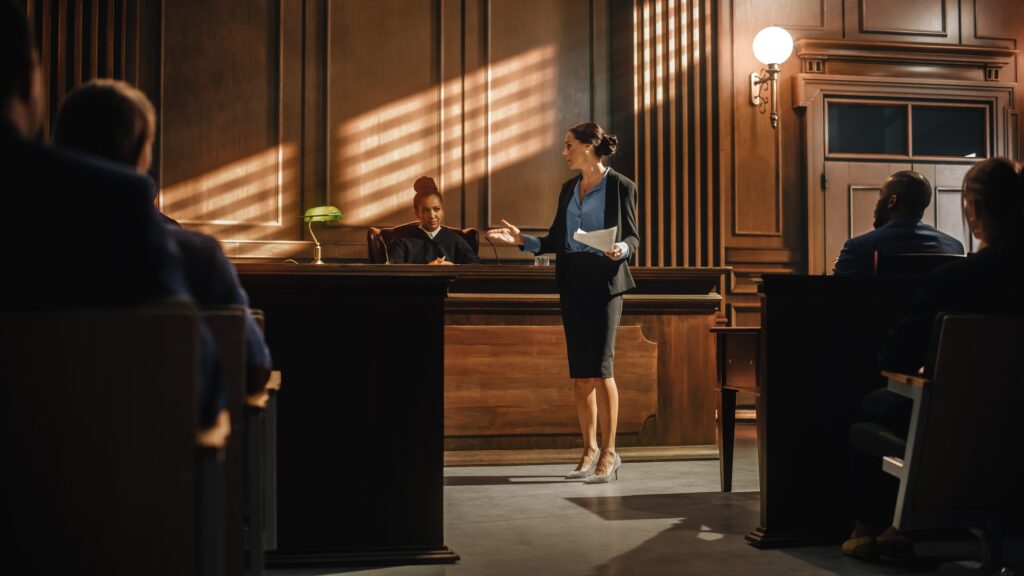
A Connecticut personal injury trial follows a set sequence: jury selection, opening statements, witness testimony, cross-examination, closing arguments, jury instructions, and deliberation. Each phase has a specific purpose, and knowing what to expect at an injury trial removes much of the anxiety.
Several people play distinct roles throughout a personal injury trial, from overseeing the proceedings to evaluating the evidence and presenting each side's case. Understanding who does what makes the courtroom process easier to follow.
| Participant | Role |
| Judge | Oversees the trial and rules on legal issues. |
| Jury | Determines liability and damages in most civil trials. |
| Plaintiff | Presents evidence supporting the claim. |
| Defendant | Challenges liability or the amount of damages. |
| Attorneys | Question witnesses, introduce evidence, and argue the case. |
| Expert witnesses | Explain medical, financial, or accident reconstruction evidence. |
What Happens During Jury Selection?
Jury selection, called voir dire, is the process of choosing the panel that hears the case. Attorneys for both sides question potential jurors about their backgrounds, experiences, and potential biases. Each side may dismiss a limited number of jurors.
The goal is a fair and impartial panel. Your attorney looks for jurors who may be receptive to your evidence. The defense does the same from their perspective. The composition of the jury matters because these are the people who ultimately decide whether you receive compensation and how much.
What Are Opening Statements and Closing Arguments?
Opening statements introduce each side's version of the facts. Your attorney outlines the evidence the jury is about to hear and explains what the case is about. The defense does the same.
Closing arguments happen after all testimony and evidence have been presented. Each attorney summarizes the strongest points and explains why the evidence supports their position. The jury then receives instructions from the judge on the legal standards and begins deliberation.
Do You Have to Testify at Trial?

In most Connecticut personal injury trials, the plaintiff testifies. Your testimony gives the jury a firsthand account of the accident, the injuries, and how those injuries affected your daily life. No one else may describe that experience the same way.
Testifying may feel intimidating, but the process is structured. Your attorney asks questions first during direct examination. Then the defense attorney cross-examines you. Your attorney may ask follow-up questions afterward.
Preparation makes a significant difference. Before trial, your attorney walks through the likely questions, discusses how to respond clearly, and explains what the defense attorney is likely to focus on. The goal is not to memorize answers. It is to feel comfortable telling your story honestly and consistently.
Other witnesses may also testify. Treating physicians explain your injuries and treatment. Accident reconstruction professionals may describe how the crash occurred. Economic analysts may present calculations of lost income and future medical costs.
You may review our verdicts and settlements to see examples of how litigation experience translates into outcomes, though past results do not guarantee future performance.
Who Decides Whether You Win?
In most Connecticut personal injury trials, a jury decides both liability and damages. The jury hears all the evidence, receives legal instructions from the judge, and deliberates in private before returning a verdict.
Your legal team carries what is called the burden of proof. In a civil case, that standard is "preponderance of the evidence." In plain English, your side must show it is more likely than not that the defendant's negligence caused your injuries. This is a lower bar than the "beyond a reasonable doubt" standard used in criminal trials.
Once the jury finds the defendant liable, it turns to damages. The jury considers several questions during deliberation:
- Whether the defendant owed a duty of care and breached it.
- Whether that breach caused the accident and the plaintiff's injuries.
- What amount of damages fairly compensates the plaintiff for medical expenses, lost income, pain and suffering, and other losses.
- Whether the plaintiff shares any fault under Connecticut's modified comparative negligence rule, which reduces recovery by the plaintiff's percentage of responsibility and bars it entirely at 51 percent or higher under Connecticut General Statutes § 52-572h.
In rare cases, both sides agree to a bench trial, where the judge decides instead of a jury. This is less common in personal injury matters.
How Long Does a Personal Injury Trial Usually Last?
Most Connecticut personal injury trials last between three and ten days, depending on the complexity of the case. A straightforward car accident claim with clear liability and limited medical disputes may take three to five days. A case involving catastrophic injuries, multiple defendants, or contested medical evidence may take longer.
The trial itself is only part of the timeline. From filing a lawsuit to reaching a courtroom in Connecticut Superior Court, the full litigation process often takes one to two years. Discovery, depositions, pretrial motions, and scheduling all contribute to that timeline.
Cases may also settle during trial. Once the jury hears testimony, the dynamics sometimes shift. An insurer that previously resisted a fair offer may reconsider after hearing the plaintiff's testimony or an unfavorable ruling from the judge on a key evidence issue.
What Happens After the Verdict?
After the jury returns a verdict, the judge enters a judgment based on the jury's findings. If the verdict is in your favor, the judgment specifies the amount of damages awarded. The defendant's insurer typically pays the judgment, subject to policy limits.
Either side may file post-trial motions. The losing party may ask the judge to reduce the award or order a new trial. In some cases, the losing party appeals to a higher court. Appeals extend the timeline but do not always change the outcome.
If the verdict goes against you, your attorney discusses whether grounds for appeal exist. Appeals focus on legal errors during trial, not on disagreements with how the jury weighed the evidence.
When Does It Make Sense to Hire a Trial Attorney?

Hiring an attorney with actual courtroom experience matters most when negotiations stall or the insurance company undervalues your claim. Insurers track which firms try cases and which ones resolve every claim before filing suit. A firm with a litigation record carries more weight at the negotiation table.
The Flood Law Firm has decades of experience litigating personal injury cases across Connecticut. Attorneys throughout the state refer complex claims to our firm, including cases that require courtroom preparation and trial readiness. You may learn more about our trial attorneys and read what our clients say about their experience working with us.
Our insurance defense background means we understand how carriers assess trial risk and calculate their exposure. Trial readiness is not about being aggressive. It is about being thorough.
A case built with trial-quality evidence, organized medical documentation, and prepared witnesses gives the insurer a reason to negotiate seriously, whether the claim ultimately resolves or proceeds to a verdict.
FAQ: Connecticut Personal Injury Trial Questions Answered by Our Attorneys
Do personal injury cases go to trial very often in Connecticut?
No. Most personal injury claims resolve through negotiation, mediation, or pretrial procedures in Connecticut Superior Court. Trial becomes necessary when the parties are unable to agree on fault, injury severity, or the value of the claim.
What happens if I lose at trial?
You may not receive any compensation from the defendant. Your attorney discusses whether legal grounds exist for an appeal. Appeals focus on errors in how the trial was conducted, not on re-arguing the facts.
Who pays for trial costs?
In contingency fee arrangements, the law firm typically advances litigation costs and recovers them from the verdict or resolution. If there is no recovery, the fee arrangement with your attorney determines what happens with those costs. Discuss this with your attorney before trial.
Is it possible to settle after a lawsuit is filed?
Yes. A case may settle at any point after filing, including during discovery, after depositions, during mediation, or even while the trial is underway. Filing a lawsuit does not eliminate the possibility of a negotiated resolution.

Making an Informed Decision About Settlement or Trial
Trial is not something to fear. It is a structured legal process with defined stages, rules, and roles. Knowing those details helps you and your attorney make decisions based on the strength of the evidence rather than uncertainty about the process.
The Flood Law Firm handles personal injury litigation across Connecticut on a contingency fee basis. There is no upfront cost, and you pay no legal fees unless we recover compensation on your behalf. Call (860) 346-2695 or visit our contact page for a free consultation.