Steps to Protect Your Health and Legal Rights
Few experiences are as unexpected or frightening as getting bitten by a dog. While dogs are generally gentle and loving members of the family, dog bites can still happen unexpectedly, especially when the owner fails to take proper precautions, such as keeping the dog out of stressful situations or restraining them.
As a result, millions of people throughout the U.S. suffer physical injuries, emotional trauma, costly medical expenses, missed work, and other damages after suffering a dog bite. Knowing what to do when a dog bites you can protect not only your health but also your legal rights—especially if you decide to work with a Connecticut dog bite injury lawyer to seek compensation for all you’ve suffered and lost.
Let’s walk through the steps you should take immediately after a dog bite and how to safeguard your well-being and legal interests in the days and weeks that follow.
Seek Immediate Medical Care for Dog Bites
Dog bites happen more often than people realize. The American Veterinary Medical Association reports that over 4.5 million people in the United States are bitten by dogs each year.
Your first concern after a serious dog bite should always be your health. Even wounds that look minor can carry bacteria that may cause serious infections. The sooner you receive proper care, the better your chances of avoiding complications.
Dog bites can range from shallow punctures to deep tears in muscles, tendons, and skin. Some injuries, especially bites to the face, neck, or hands, can damage nerves or cause significant scarring.
If the dog bite results in heavy bleeding, exposed bone, or severe pain, call 911 right away. Paramedics can stabilize you and get you to the emergency room for further treatment.
Identify the Dog and Gather Key Information
While your health comes first, you should also collect information about the dog and its owner as soon as possible. You will need this information if you choose to pursue compensation for medical bills or other damages.
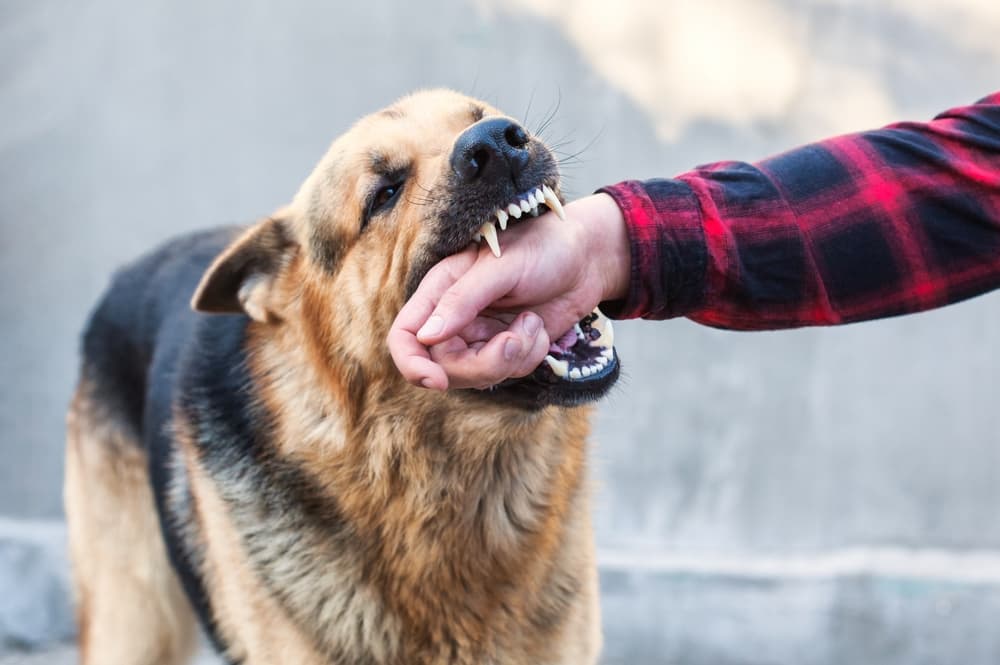
When a dog bites you—especially one you don’t know—try to gather:
- The name and contact details of the dog’s owner.
- The dog’s breed and description, including color, size, and any distinct markings.
- Whether the dog’s rabies vaccinations are current.
- The owner’s insurance details, if available.
- Names and contact info for anyone who witnessed the bite.
Sometimes, collecting this information on the spot is impossible. You might be in too much pain, or the dog’s owner may leave quickly. In these cases, try to file a police report or contact local animal control. Witnesses may also help identify the dog and its owner later on.
Connecticut, for example, has strict liability laws for dog bites. Unlike in some states, dog bite victims in Connecticut don’t have to prove that the dog’s owner was negligent to recover damages. However, you still need evidence showing which dog bit you and who owns it.
Monitor for Signs of Infection After a Dog Bite
Unfortunately, many people choose not to seek medical attention, only to regret that decision later. Dog bites carry a risk of infection because a dog’s mouth harbors many bacteria. If you didn’t receive medical care for your injury, see a doctor right away, especially if you notice signs that your bite may have become infected. These signs include:
- Redness, swelling, or warmth around the wound
- Oozing pus or fluid
- Increasing pain instead of improvement
- Fever, chills, or night sweats
- Fatigue or a general feeling of illness
If you see any of these symptoms, seek medical attention quickly. Infections like cellulitis can spread rapidly, and untreated infections may even lead to sepsis, a life-threatening condition.
Certain dog bites, such as those on the hands or near joints, are more likely to become infected. Your doctor may prescribe antibiotics proactively, even if no infection appears right away.
Report the Dog Bite to the Proper Authorities
Many people feel awkward or guilty reporting a dog bite, especially if the dog belongs to a neighbor, friend, or family member. However, reporting the incident can be critical for public health and legal protection.
Local animal control or the health department usually handles dog bite reports. They may quarantine for a short time while they check for rabies and officially document the bite. This report becomes important evidence if you later need to prove the bite happened.
If the dog is unfamiliar, reporting helps authorities investigate whether it’s been involved in previous incidents. It also helps track dangerous animals and protect other members of the community.
In Connecticut, animal control agencies often step in to investigate dog bites, ensuring proper rabies quarantine procedures and helping determine liability. If you’re bitten in another state, check local laws for reporting requirements.
Document Your Injuries and Keep Records

Recovering from a dog bite isn’t only about physical healing. You may also face expensive medical bills, lost income, and lasting emotional scars. Solid documentation strengthens any legal claim and helps you pursue fair compensation.
Start by saving all medical records, including:
- Emergency room visits
- Hospital stays
- Follow-up appointments
- Prescriptions for antibiotics or pain medication
- Therapy or counseling notes if you’re struggling emotionally
Photograph your injuries right after the bite and throughout the healing process. These images show the severity of your wounds and any scarring that remains. Take photos under good lighting and include different angles for clarity.
Keep a daily journal about your recovery. Record pain levels, sleep disturbances, anxiety, fear of dogs, or how the injury affects your ability to work or enjoy life. This personal record can help support claims for pain and suffering damages.
Lastly, save receipts for out-of-pocket costs, such as:
- Transportation to medical appointments
- Medical supplies
- Lost wages if you can’t work
- Childcare or home care you needed because of your injuries
A well-documented claim paints a clear picture of how deeply a dog bite injury can impact your life.
Dog Bite Severity: The Dunbar Dog Bite Scale
Dr. Ian Dunbar’s Dog Bite Scale helps classify bites from minor to severe, shedding light on dog behaviors and warning signs.
Level 1: Aggressive or obnoxious behavior but no skin contact.
Level 2: Teeth touch skin, possibly causing tiny nicks, but no punctures.
Level 3: One to four shallow punctures, often caused when a dog loses interest or the person pulls away.
Level 4: Deep punctures, bruising, and possible tearing if the dog shakes its head.
Level 5: Multiple serious bites in one attack, or multiple attacks.
Level 6: Fatal injuries.
Recognizing the severity of a bite can guide medical decisions and determine whether to involve animal control.
Your Legal Rights After a Dog Bite
Dog bite laws vary across states, but nearly every jurisdiction holds owners responsible under certain circumstances. In many states, strict liability laws mean owners must pay damages even if they didn’t know their dog might bite. Other states apply a “one-bite rule,” requiring proof that the owner knew or should have known the dog could be dangerous.
Connecticut, for instance, is a strict liability state. If a dog injures you, the owner typically bears legal responsibility unless you were trespassing, teasing, or tormenting the dog. This law removes the burden of proving that the dog had bitten before or that the owner was careless.
Dog Bite Compensation: What You May Be Entitled to Claim
Dog bites can cause more than physical wounds; they often lead to financial strain and emotional trauma. If a dog injures you, you may have the right to pursue compensation for all the ways the injury disrupts your life.

Victims of dog bites can often claim damages for:
- Medical expenses
- Lost wages
- Pain and suffering
- Emotional distress
- Scarring or disfigurement
- Loss of future earning capacity if the injury has long-term effects
In Connecticut, strict liability laws make it easier for victims to seek compensation without proving the dog’s owner acted carelessly. However, even in a strict liability state, documenting your injuries and losses carefully is key to maximizing your claim.
How a Lawyer Can Help With a Dog Bite Claim
While Connecticut law often favors dog bite victims, handling a claim on your own can be risky. A skilled personal injury lawyer can protect your interests and make sure you don’t settle for anything less than your full and fair compensation.
An attorney can help:
- Investigate the circumstances of the dog attack
- Collect crucial evidence, including witness statements and medical records
- Calculate the full value of your damages, considering both short-term costs and long-term consequences
- Deal with insurance adjusters who may push for quick, low settlements
- Represent you in court if the insurance company refuses to settle fairly
Dog bite injuries can appear minor at first but worsen over time. Settling your claim too quickly could leave you struggling with future medical bills or permanent scarring. Having a lawyer in your corner helps ensure you’re treated fairly and compensated for all your losses.
Worried About the Dog’s Future? What Happens After You Report a Bite
It’s natural to feel torn about reporting a dog bite, especially if the dog belongs to someone you care about or if it’s normally a beloved family pet. Many people worry that a dog will automatically be put down after a bite, adding emotional stress on top of an already painful situation.
In the vast majority of cases, reporting a dog bite does not mean the dog will be euthanized. Typically, local animal control or the health department will investigate what happened. Here’s what often occurs after you file a report:
- The dog may be quarantined for a short period—often 10 days—to monitor for signs of rabies or illness.
- Authorities assess whether the bite appears out of character or if the dog poses an ongoing danger.
- If the dog has never shown aggression before and the bite was provoked or accidental, the case may end after quarantine with no further action.
Euthanasia is a last resort, used only if a dog is deemed to be a significant threat to public safety, such as after repeated attacks or severe, unprovoked bites. Reporting helps protect public health while also ensuring the dog receives a fair evaluation.
Even though it’s a hard step to take, reporting a bite can help avoid worse situations in the future. It ensures the dog’s vaccination records are checked and that proper medical care is given if there’s any risk of diseases like rabies.
If you’re struggling with guilt or worry about reporting, remember that you can explain to animal control that your goal is safety, not punishment. In most cases, the report is simply part of making sure everyone—including the dog—stays safe and healthy.
Frequently Asked Questions About Dog Bites
How long do I have to file a dog bite claim in Connecticut?
In Connecticut, you generally have two years from the date of the injury to file a personal injury lawsuit for a dog bite. Failing to file within that time frame may prevent you from recovering compensation. If a child is bitten, the statute of limitations may be tolled, giving the child up to two years after turning 18 to file a claim, but it’s wise to speak to a lawyer as soon as possible.
What if the dog belongs to a friend or family member?
It’s common to feel uneasy about pursuing a claim when the dog’s owner is someone you know. Remember, most dog bite claims are paid by homeowners’ or renters’ insurance policies, not out of the dog owner’s pocket. Filing a claim ensures your medical bills and other expenses don’t become a personal burden.
Do I need a rabies shot after every dog bite?
Not necessarily. Doctors often decide on rabies shots based on whether the dog’s vaccination status is known and if the dog can be observed for signs of rabies. If the dog is unfamiliar, a rabies vaccine may be recommended as a precaution. Always discuss this with your doctor immediately after a bite.
What should I do if I can’t identify the dog’s owner?
If the dog was a stray or ran off, report the incident to animal control or your local health department right away. They may be able to locate the dog or investigate further. If witnesses were present, try to collect their information. A police report may also help document the incident and support a future claim.
Will my own insurance cover a dog bite injury?
Your health insurance may cover initial medical treatment, but pursuing a personal injury claim helps recover expenses like deductibles, co-pays, lost wages, and pain and suffering. Homeowners’ or renters’ insurance policies of the dog’s owner usually pay dog bite claims.
Bitten by a Dog in Connecticut? The Flood Law Firm Can Help

One dog bite can leave you with pain, stress, medical bills, and financial strain you didn’t expect. When another person’s dog caused your injuries, you deserve support in handling the financial impact.
Seeking compensation for dog bite injuries is not about taking revenge on the dog or the dog’s owner. It’s about making sure you’re not stuck covering all the expenses out of your own pocket.
At The Flood Law Firm, our Connecticut personal injury attorneys have significant experience helping dog bite victims secure fair compensation. We handle every detail of your claim so you can focus on healing. We’ve recovered millions for clients in Connecticut and know how to stand up to insurance companies determined to pay as little as possible.
If you or a loved one has been bitten by a dog, don’t wait to get legal advice. Call The Flood Law Firm at (860) 346-2695 or contact us online for a free consultation.