The start of a new school year brings excitement, new routines, and a sense of movement. Areas surrounding schools are crowded with buses, cars, bicycles, and students walking to and from classes. In this environment, even a small lapse in attention can lead to serious harm.
School zones are meant to protect children and young pedestrians. Reduced speed limits, clearly marked crosswalks, crossing guards, and flashing warning signs carry legal weight. Drivers who do not follow these regulations can face traffic penalties or civil liability if an accident occurs. In such cases, it is always advisable to work with a personal injury lawyer to help protect your rights. Your legal counsel can hold those responsible accountable for damages.
Back-to-School Pedestrian Safety Key Takeaways
- School zones are inherently busy and unpredictable, with children walking, biking, and riding buses. Both drivers and pedestrians face unique challenges that increase the likelihood of accidents.
- While drivers hold primary responsibility, schools, municipalities, and community organizations may also share liability if safety measures are inadequate. Multiple parties can contribute to accidents, making documentation essential.
- Violating school zone laws can result in enhanced fines, criminal charges, and civil liability, especially if children suffer an injury. Companies operating transport services may also face penalties and reputational damage.
- What you do after an accident is crucial to protecting your legal rights and maximizing your chances of receiving fair compensation.
- Work with a pedestrian accident attorney who can manage your case and advise you on the appropriate course of action.
The Challenges of Sharing the Road with Young Pedestrians during Back-to-School
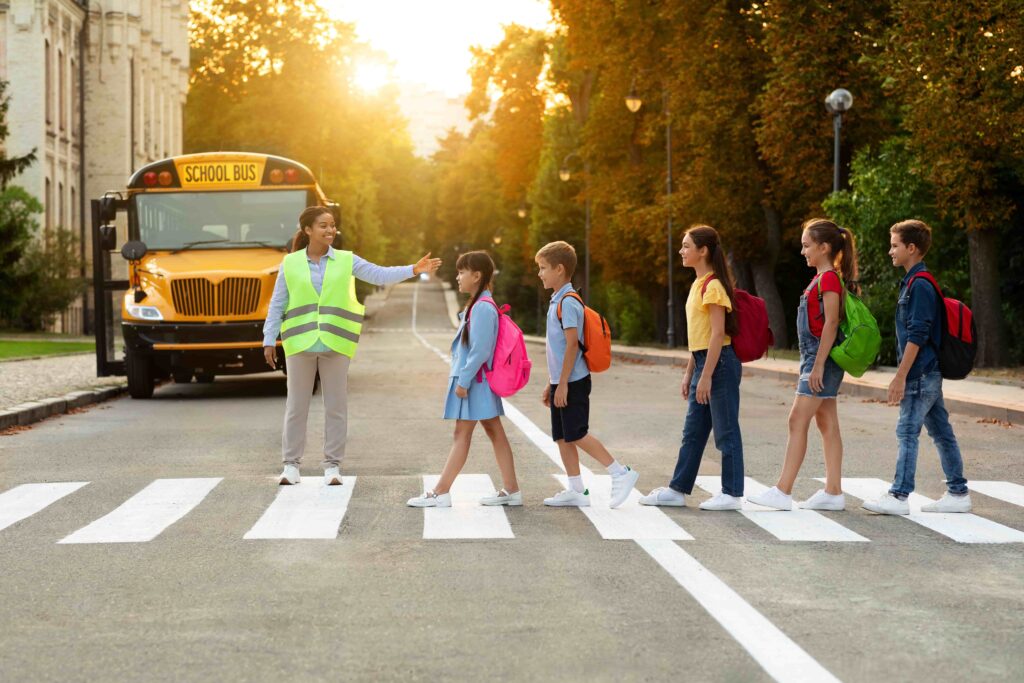
School zones pose unique challenges for both drivers and pedestrians. Children’s attention spans and awareness of traffic rules are limited, making them unpredictable on sidewalks and crosswalks. They may dart into the street suddenly, misjudge vehicle speeds, or be distracted by friends, phones, or school supplies.
Drivers face obstacles as well. Congested streets, parked cars, and buses loading or unloading students can reduce visibility and reaction time. Weather conditions, early-morning darkness, or heavy afternoon traffic add more risk to an already demanding environment.
These factors create a higher likelihood of accidents if safety precautions are ignored. Drivers must slow down, scan carefully, and anticipate sudden movements, while students and pedestrians need to follow signals, use crosswalks, and stay focused when crossing streets. Communities that recognize and address these challenges contribute to safer school zones and help reduce injuries or legal liability.
Causes of Accidents in School Zones
Accidents in school zones rarely stem from a single factor. Instead, they emerge from a combination of driver behavior, environmental conditions, and pedestrian unpredictability. Understanding these causes is essential for reducing risk and clarifying liability when incidents occur.
- Distracted Driving: Even a brief glance at an in-vehicle screen can be catastrophic in a school zone. Children may enter the roadway unexpectedly, leaving drivers with no time to react. Courts frequently treat distraction in these areas as aggravated negligence, given the heightened duty of care owed to child pedestrians.
- Speeding and Failure to Yield: Exceeding posted limits, rolling through stop signs, or ignoring crossing guards remains one of the most common contributors to collisions. Speed not only increases the likelihood of impact but also magnifies the severity of injuries. In many jurisdictions, enhanced penalties apply when drivers fail to yield at a school crossing.
- Poor Visibility: Early morning or late afternoon sun, bad weather, and parked vehicles can obstruct a driver’s view of pedestrians. Limited visibility often contributes to accidents that could otherwise be prevented.
- Congestion and Poor Traffic Flow: School zones are high-density traffic environments. Double parking, abrupt stops, and parents rushing through drop-off lanes create blind spots and erratic movement patterns. These conditions strain drivers’ ability to anticipate hazards and significantly raise collision risk.
- Pedestrian Error: While the law imposes a duty of care on drivers, pedestrians are not free from responsibility. Running across streets outside of marked crosswalks, wearing headphones, or ignoring crossing signals can introduce additional risks.
Due to these factors, school zones experience a range of accidents. Each of these factors demonstrates why thorough documentation remains vital in case of an incident. Establishing causation and liability depends on a clear evidentiary trail. A personal injury lawyer can help compile the available evidence to determine the type of crash and what caused the accident in the school zone.
Some of the most common forms of crashes experienced in school zones during back-to-school include:
- Vehicle-Pedestrian Collisions: The most serious incidents involve cars striking students or pedestrians. These collisions can cause severe injuries and trigger legal liability for drivers or property owners responsible for unsafe conditions.
- Side-Impact Crashes: Buses or cars turning near crosswalks or driveways can collide with other vehicles or pedestrians. Side-impact accidents often occur when drivers fail to anticipate student movements or other vehicles’ actions.
- Rear-End Collisions: Congested streets in front of schools increase the likelihood of rear-end crashes. These incidents may involve multiple vehicles and can also affect pedestrians nearby.
- Bicycle Accidents: Students biking to school may collide with cars, buses, or pedestrians. Lack of helmets or failure to follow traffic rules increases the severity of injuries.
Determining Liability for Accidents Happening in School Zones
When an accident occurs in a school zone, liability does not rest solely on the driver. The law examines a wider set of circumstances, including whether schools, municipalities, or even community organizations fulfilled their responsibilities in creating a safe environment. Establishing fault requires a fact-specific inquiry supported by documentation, witness accounts, and regulatory compliance records.
Driver Liability
Drivers bear the primary legal duty in school zones. A failure to reduce speed, yield to pedestrians, or obey school bus stop signals can constitute negligence. If a child suffers an injury, civil liability may extend to damages for medical expenses, future care needs, and pain and suffering. In more severe cases, reckless driving in a school zone can also lead to criminal prosecution.
School and Institutional Liability
Schools share responsibility for maintaining safe grounds and orderly traffic flow. This includes providing clear signage, assigning crossing guards, and designing safe drop-off and pick-up procedures. If inadequate supervision or poor traffic management contributes to an accident, claims may be directed toward the school district or its contractors. Liability can hinge on whether the school had notice of hazards and failed to address them in a timely manner.
Municipal and Community Responsibility
Local governments play a central role in infrastructure safety. Poorly marked crosswalks, malfunctioning signals, or lack of adequate lighting may expose municipalities to liability if these deficiencies directly contribute to an accident. Community involvement also matters. Parent-teacher associations, neighborhood watch groups, and local safety coalitions can support enforcement initiatives and encourage compliance. While these groups may not bear direct legal liability, their participation enhances collective safety.
It is important to note that some accidents involve multiple factors, such as a distracted driver and a poorly marked crosswalk. In these cases, liability may be shared, and legal outcomes often depend on detailed evidence of each party’s role.
Determining liability for accidents during back-to-school season, especially in school zones, requires clear evidence. Police reports, school safety audits, bus camera recordings, and municipal maintenance logs all provide critical insight into causation. A strong records management system ensures these materials are preserved, accessible, and admissible in any legal proceeding. Without organized documentation, proving fault becomes significantly more challenging.
Legal Consequences of Violating School Zone Laws

Violations committed in school zones are treated with heightened seriousness under U.S. traffic laws. Legislatures and courts recognize that children face greater risks than other pedestrians. Consequently, penalties for infractions in school zones are significantly more severe than ordinary traffic violations. Here are the consequences of failing to observe school zone laws:
- Enhanced Fines and Penalties: Most states impose higher fines for speeding or failing to yield in designated school areas. These fines may be doubled or tripled compared to standard traffic penalties. In addition, violations often carry more points on a driver’s record, increasing insurance premiums and, in some cases, leading to license suspension.
- Criminal Liability: When an accident results in injury or death, criminal charges may follow. Reckless driving, such as ignoring a crossing guard, can elevate a violation from a traffic offense to a misdemeanor or felony. Penalties may include probation, community service, or imprisonment, depending on the scope of harm.
- Civil Liability: Beyond statutory penalties, drivers face exposure to civil claims. Injured parties may pursue damages for medical costs, long-term care, and non-economic losses such as diminished quality of life. Courts mostly hold drivers to a higher standard of care in school zones, which strengthens negligence claims against those who disregard safety laws.
For companies that provide transportation services, such as school bus contractors or municipal fleet operators, violations can carry broader consequences. Repeat infractions may result in contract termination, reputational harm, or increased scrutiny from regulatory bodies. Maintaining thorough compliance and incident records is critical for demonstrating that policies were in place and enforced.
What to Do After an Accident in a School Zone
There are several important steps that can protect your legal position and support a successful claim. School zone accidents are scrutinized closely, and the quality of your follow-up actions can significantly affect outcomes. This is what you can do following an accident at a school zone that affected you or your child while on their way to school:
- Preserve Evidence: Photographs and video of the scene, vehicles, traffic signals, crosswalks, and weather conditions are invaluable. Save any digital correspondence or eyewitness accounts. These records create an objective snapshot of the incident that can corroborate your version of events.
- Obtain Official Records: Get copies of police reports, school incident logs, and bus or surveillance footage. These documents provide legally recognized evidence and may reveal details that strengthen your position, such as vehicle positions, stop-arm compliance, or traffic signal timing.
- Record Witness Statements: Identify and document witnesses while memories are fresh. Collect names, contact information, and written accounts describing what they saw. Independent testimony can clarify disputed facts and support your case if liability is contested.
- Maintain a Detailed Personal Log: Keep a chronological record of events following the accident, including communications with insurance companies, school officials, and legal representatives. Note the condition of the vehicles, any property damage, and any follow-up actions taken by involved parties.
- Consult Legal Counsel: Even if the situation seems straightforward, early consultation with an attorney ensures you understand your rights, deadlines, and the proper handling of evidence. Lawyers can guide interactions with insurers, schools, and municipal authorities to protect your interests.
Following these steps directly influences the strength of your legal position. With meticulous evidence preservation, careful documentation, and professional guidance, you can enhance the likelihood of a fair resolution.
Back-to-School Pedestrian Safety FAQs
Can students or parents help strengthen a case after an accident?
The active involvement of students and parents can significantly enhance the strength of a claim. They can collect evidence such as photographs of the accident scene, witness statements, and documentation of ongoing physical, emotional, or financial impacts. Maintaining organized records of medical visits, therapy, transportation, and other related costs supports the case and demonstrates the full extent of damages. In addition to professional legal guidance, these efforts provide a more comprehensive foundation for pursuing fair compensation.
Should I talk to the other driver or their insurance company?
It’s important to be cautious. Providing statements or signing documents without legal advice can inadvertently weaken your case, as insurers may use your words to reduce liability or compensation. A pedestrian accident lawyer will take over communication with the other driver and insurance representatives, ensuring that your statements do not compromise your claim. This guidance is especially important in school zone accidents, which often involve multiple witnesses and challenging liability factors.
How long do I have to file a claim?
Time limits for initiating personal injury claims vary by state and the details involved. Filing after the deadline can bar recovery entirely. Because school zone accidents may involve multiple parties, it is important to act quickly to preserve evidence and protect legal rights. A pedestrian accident attorney can confirm applicable deadlines, guide the filing process, and ensure that all necessary legal actions are initiated promptly to avoid missing important opportunities.
Work with a Pedestrian Accident Lawyer
A winning personal injury claim for an accident that happened in a school zone requires careful planning, strategic evidence gathering, and a clear understanding of both statutory and common-law duties. School zone incidents often involve multiple parties, heightened legal scrutiny, and the potential for severe damages, making professional guidance indispensable. An attorney can identify all parties responsible and calculate all damages for fair compensation. Please contact your attorney immediately for informed legal support.