When you slip and fall on an icy sidewalk after a snowstorm, you may assume the property owner bears automatic responsibility. Middletown premises liability lawyers know that Connecticut law takes a more nuanced approach. Timing plays a critical role in whether a property owner acted negligently or reasonably under the circumstances.
Middletown has a local ordinance that creates a specific timeline for snow removal. Under Middletown Code of Ordinances § 262-19, property owners must clear sidewalks within 24 hours after a storm ends. This rule gives structure to negligence claims and helps determine when a property owner's failure to act crosses the line from understandable delay to legal liability.
Key Takeaways for Snow and Ice Accidents in Middletown
- Middletown Code § 262-19 requires property owners to clear snow and ice from sidewalks within 24 hours after a storm ends, not 24 hours after snow begins.
- Connecticut courts recognize the ongoing storm doctrine, which may protect property owners from liability while snow or ice is still actively falling or accumulating.
- A violation of the local snow removal ordinance may serve as evidence of negligence, though it does not automatically establish liability in every case.
- The exact time when a storm ended and when you fell matters significantly to the legal analysis of your claim.
- Property owners, landlords, business operators, and sometimes tenants may bear responsibility for sidewalk conditions, depending on who controls and maintains the area.
How Middletown's Snow Removal Ordinance Works
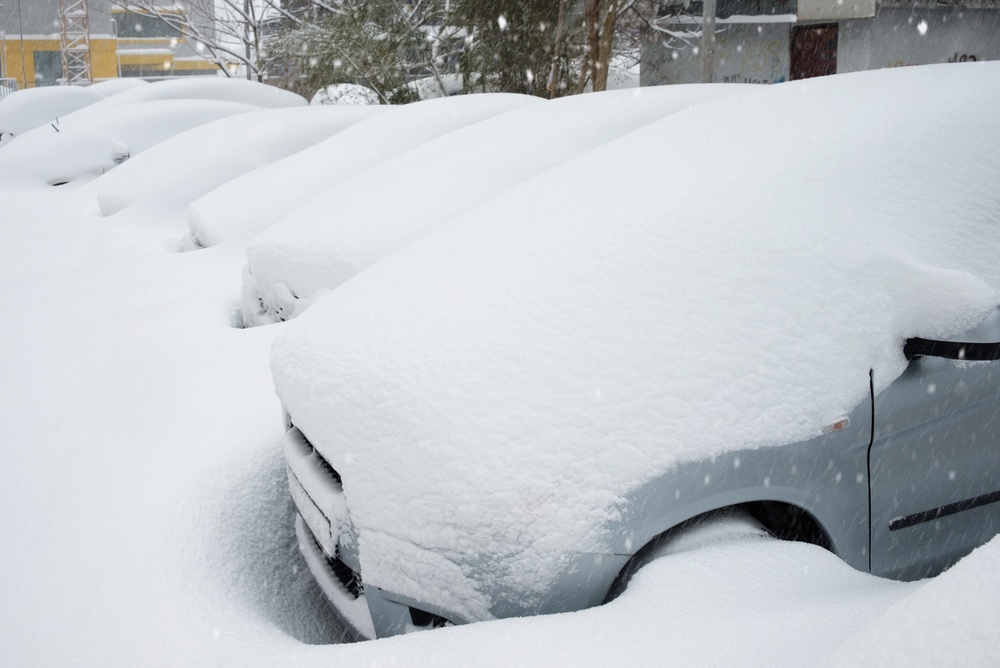
Local ordinances often provide clearer guidance than general state law when premises liability accidents occur after a winter storm. Middletown's code creates a specific expectation that property owners must meet, and that expectation becomes relevant when someone suffers an injury on an uncleared sidewalk.
The 24-Hour Clock Starts When the Storm Ends
The ordinance gives property owners 24 hours to clear their sidewalks, but that clock does not begin when the first snowflake falls. The countdown starts when the storm ends. This distinction matters because a property owner who fails to shovel during an active storm typically has a valid defense. Once the storm concludes, the legal landscape shifts.
Determining exactly when a storm ended requires looking at weather data. The National Weather Service maintains historical records that attorneys use to establish precise storm timelines. If you fell 26 hours after the last measurable snowfall, the property owner has already exceeded the allowed clearance window.
What the Ordinance Requires
Middletown's ordinance applies to sidewalks adjacent to private property. Property owners must remove snow and ice or treat surfaces to prevent dangerous accumulation. Partial clearance that leaves hazardous patches may still be treated as a failure to meet the ordinance's requirements, even if some effort was made.
The rule applies to residential and commercial properties alike. Landlords who own apartment buildings, shop owners along Main Street, and homeowners in residential neighborhoods all bear this responsibility. Tenants sometimes assume their landlord handles snow removal, but the ordinance places the duty on the property owner or the person the owner designates to maintain the sidewalk.
The Ongoing Storm Doctrine in Connecticut
Connecticut courts have long recognized that property owners face practical limitations during active winter weather. The ongoing storm doctrine reflects this reality by providing protection to owners who have not yet cleared snow that is still falling or accumulating.
Why Courts Protect Property Owners During Active Storms
Requiring someone to shovel while snow continues to fall creates an endless and arguably pointless obligation. Courts recognize that clearance efforts during an active storm may be futile within minutes. The ongoing storm doctrine prevents injured people from holding property owners liable for conditions that exist only because the weather event is still in progress.
This doctrine protects property owners during the storm itself and for a reasonable period afterward. The Middletown ordinance's 24-hour rule is one factor courts may consider, but it does not automatically control when the ongoing storm protection ends.
When the Doctrine Stops Protecting Property Owners
The ongoing storm doctrine has clear limits. Once precipitation stops and a reasonable time for clearance passes, the protection ends. Property owners who ignore their sidewalks for days after a storm concludes may find the doctrine offers no defense and may be liable under premises liability.
Connecticut courts also distinguish between new snow and ice that formed from melting and refreezing. If a property owner cleared snow but failed to address ice that formed overnight from meltwater, the ongoing storm doctrine may not apply to the refrozen condition. These details often determine whether a claim succeeds.
Proving Negligence After a Middletown Snow and Ice Fall
A successful claim requires more than simply showing that you fell on ice. You must establish that the property owner failed to act reasonably under the circumstances. The local ordinance and storm timing both factor into this analysis.
Several elements combine to build a strong snow and ice negligence case:
- Evidence of when the storm ended, typically through National Weather Service data or local weather station records
- Documentation of when your fall occurred, establishing the timeline relative to the 24-hour clearance window
- Photographs of the uncleared or partially cleared sidewalk condition at or near the time of the fall
- Records that show the property owner knew or had reason to know about the hazardous condition
- Medical documentation that connects your injuries to the fall on the icy surface
Each element supports the broader argument that the property owner's failure to clear the sidewalk caused your injury.
How Ordinance Violations Affect Your Claim
When a property owner violates Middletown's snow removal ordinance, that violation may serve as evidence of negligence. Some jurisdictions treat ordinance violations as negligence per se, meaning the violation itself establishes the negligence element. Connecticut courts take a more flexible approach.
A violation of the local ordinance supports your claim but does not guarantee success. The property owner may still raise defenses, and the jury considers all circumstances. However, the ordinance gives your attorney a concrete standard to reference when arguing that the owner failed to meet community expectations.
Documenting the Scene After Your Fall
Photographs taken shortly after your fall provide powerful evidence. Images that show uncleared snow, visible ice patches, or inadequate treatment support your account of the dangerous condition. If possible, capture images that show the broader sidewalk area and any visible property addresses.
Witness statements also strengthen claims when waiting to sue creates questions about how long the hazard existed. Neighbors who observed the uncleared sidewalk for days, mail carriers who noted the hazard, or other pedestrians who saw your fall may all provide valuable testimony.
Common Defenses Property Owners Raise
Property owners and their insurance companies raise predictable defenses in snow and ice cases. Familiarity with these arguments helps you understand how your claim might unfold and what evidence you need to counter them.
The Storm Was Still Active
The most common defense argues that the ongoing storm doctrine applies. Property owners might claim snow was still falling or that insufficient time had passed for reasonable clearance. Weather records and precise fall timing often determine whether this defense succeeds.
The Hazard Was Open and Obvious
Some property owners argue that the ice or snow was clearly visible, and you bear responsibility for walking on an obviously dangerous surface. Connecticut courts consider this argument but do not automatically accept it. Property owners still owe duties even when hazards are visible, particularly on sidewalks where pedestrians have limited alternatives.
The Injured Person Was Comparatively Negligent
Connecticut follows a modified comparative negligence rule under Connecticut General Statutes § 52-572h. Property owners may argue that you share fault for the fall due to inappropriate footwear, inattention, or other factors. Your compensation may be reduced by your percentage of fault. You may still recover damages as long as your share of fault is 50 percent or less; if it is more than 50 percent, you cannot recover.
Why Timing Matters More Than You Might Expect
The difference between falling at hour 23 and hour 25 after a storm ends may determine whether you have a viable claim. This timing distinction may surprise people who assume any post-storm fall creates liability.
Falls Within the 24-Hour Window
If you fell while the 24-hour clearance period was still running, the property owner may have a stronger defense. The ordinance gave them time to address the condition, and they had not yet exceeded that allowance. These claims prove more difficult, though not impossible, depending on other circumstances in the personal injury claim process.
Falls After the Deadline Passes
Once 24 hours elapse after the storm ends, the property owner has violated the ordinance if the sidewalk remains uncleared. This violation provides concrete evidence of negligence and weakens the ongoing storm defense. Falls that occur after the deadline often give you a stronger starting point, though other defenses may still affect the outcome.
Documenting Storm End Time
Establishing exactly when the storm ended requires objective evidence. The National Oceanic and Atmospheric Administration archives weather data that attorneys use to pinpoint storm timelines. Local news reports and weather station records also provide supporting documentation.
Landlord Responsibility for Snow and Ice in Middletown
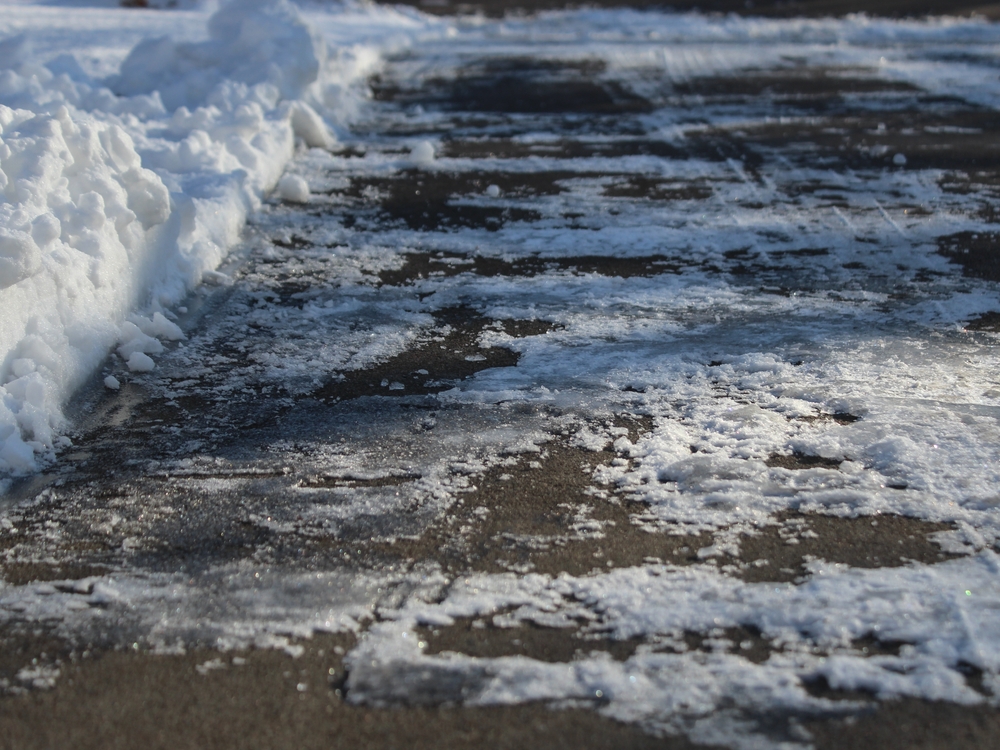
Rental properties present unique questions about who bears responsibility for winter maintenance. Tenants who slip on uncleared sidewalks outside their apartment buildings often wonder whether their landlord or the property management company faces liability.
Lease Terms and Maintenance Duties
Some leases assign snow removal responsibility to tenants, while others keep the duty with the landlord. The Middletown ordinance may still place responsibility on the property owner even if the lease says the tenant must shovel. Lease terms may affect who is liable between landlord and tenant, so both may need to be evaluated in an injury claim.
Tenants who suffer injuries due to landlord negligence may pursue claims just as any other injured pedestrian might. The lease does not necessarily eliminate the landlord's duty to maintain safe conditions on the property.
Multi-Family Buildings and Common Areas
Apartment complexes, condominiums, and multi-family homes often have common walkways that no single tenant controls. Landlords typically bear responsibility for these shared areas. A Middletown premises liability lawyer may help clarify which party bears responsibility in your specific situation.
Building a Strong Snow and Ice Claim
Preparation strengthens any premises liability claim. When your fall involves snow and ice, specific evidence becomes especially important.
The following steps help build a foundation for your claim:
- Seek medical attention promptly and keep records of all treatment related to your fall injuries
- Photograph the location where you fell as soon as possible after the incident
- Note the date and approximate time of your fall for timeline analysis
- Obtain weather records that document when the storm ended in your area
- Identify any witnesses who saw the fall or noticed the uncleared sidewalk beforehand
These steps create a record that supports your account and helps establish the property owner's negligence.
Why Early Legal Consultation Helps
Snow and ice claims involve timing issues that make early consultation particularly valuable in a personal injury case. An attorney who is familiar with Middletown ordinances and Connecticut premises liability law may help you gather evidence while it remains available. Weather records, witness memories, and even the icy condition itself may disappear within days.
The Flood Law Firm has handled premises liability claims throughout Middlesex County and prepares each case as though it may go to trial. Our attorneys have tried more civil jury cases than almost any other lawyers in Connecticut. That courtroom experience influences how we investigate claims from the earliest stages.
FAQ for Snow and Ice Accident Claims in Middletown
Does the 24-hour rule apply to all properties in Middletown?
The ordinance applies to sidewalks adjacent to both residential and commercial properties within city limits. Property owners, landlords, and business operators all bear responsibility for clearing sidewalks next to their premises within the required timeframe.
What if the property owner cleared part of the sidewalk but not all of it?
Partial clearance that leaves dangerous patches may still fail to meet the ordinance's requirements and support a negligence claim. Property owners must address the entire sidewalk, and leaving hazardous sections untreated does not satisfy their legal duty.
Does ice that formed from refreezing fall under the ongoing storm doctrine?
Generally, no. Ice that forms from melting snow that refreezes overnight presents a different situation than active storm accumulation. Courts typically expect property owners to address refreeze conditions, particularly when they had adequate time to do so.
Do these rules apply to businesses differently than homeowners?
The ordinance applies equally to residential and commercial property owners. Businesses may face heightened scrutiny due to higher foot traffic and greater resources for snow removal, but the basic 24-hour requirement remains the same.
Winter Falls Require Timely Action

The 24-hour snow removal rule in Middletown creates a framework for evaluating property owner negligence after winter storms. When that deadline passes and a sidewalk remains uncleared, the property owner's defense options narrow considerably. Documentation of storm timing, fall circumstances, and sidewalk conditions helps strengthen your claim.
The Flood Law Firm offers free consultations to people who have suffered snow and ice injuries in Middletown and throughout Connecticut. We represent clients on a contingency fee basis, which means you pay nothing unless we recover compensation for you. Our team speaks both English and Spanish.
If you fell on an icy sidewalk after a storm, contact our Middletown office to discuss your situation. The conversation costs nothing, and it may help clarify your options while evidence remains available.