The most dangerous highway corridor in Connecticut is I-91 Southbound, stretching between Hartford and New Haven. This stretch, along with specific sections of I-84, I-95, and the Merritt Parkway, consistently sees a high number of fatal accidents due to a combination of intense congestion, aging infrastructure, and predictable patterns of dangerous driving, which is why speaking with a Connecticut car accident lawyer can be critical after a serious crash on these roads.
If you have a question about a serious or fatal accident on a Connecticut highway, call us. We will help you understand your options. Our number is (860) 346-2695.
Key Takeaways for Fatal Connecticut Highway Accidents
- A few highway corridors account for most fatal crashes. I-91 Southbound between Hartford and New Haven is the state's deadliest stretch, with parts of I-84, I-95, and the Merritt Parkway also being persistent hotspots due to congestion and design flaws.
- Crashes result from a mix of driver error and road conditions. While speeding and distracted driving are leading causes, outdated infrastructure, poor maintenance, and confusing construction zones frequently contribute to deadly accidents.
- Legal fault is more complicated than it appears. A government entity may be liable for a dangerous road condition, and Connecticut's comparative fault rules determine whether a family recovers compensation if their loved one was found partially responsible.
Connecticut's Highway Hotspots: A Data-Driven Look at the Most Dangerous Stretches
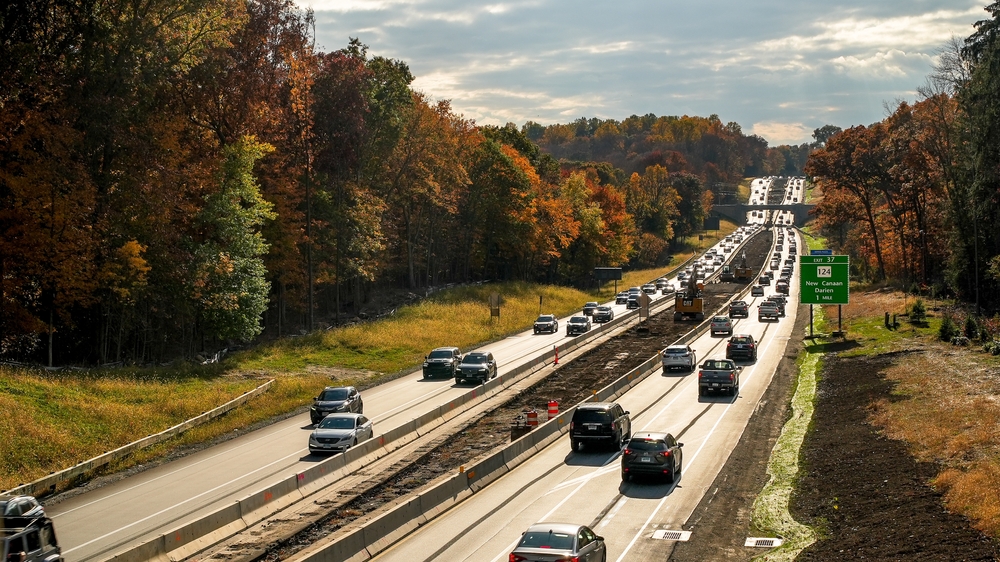
Not all highways are created equal. State crash data reveals that a few specific corridors account for a disproportionate number of severe and fatal accidents.
I-91 Southbound (Hartford to New Haven): The State's Deadliest Corridor
This stretch combines heavy commuter traffic from Hartford with vehicles flowing toward the I-95 interchange, creating a volatile mix of local and long-distance drivers, which often complicates efforts to negotiate a car accident settlement when serious or fatal crashes occur. Data shows I-91 Southbound sees the most fatal crashes in the state, with the majority occurring on the segment between Hartford and New Haven.
Many locals are familiar with the "dead zone" between Exits 17 (Meriden) and 8 (New Haven). This area is notorious for sudden, phantom traffic jams that appear without a clear cause, leading to high-speed, chain-reaction rear-end collisions. Another known trouble spot is the curve near Exit 29 in Hartford, where sightlines are limited and traffic patterns shift abruptly.
I-84 (Danbury to Waterbury & East Hartford): Two Distinct Danger Zones
- Western Stretch (Danbury to Waterbury): This section is characterized by tight curves, steep grades, and a high volume of heavy truck traffic. These factors culminate at the infamous "Mixmaster" interchange in Waterbury, a difficult web of elevated ramps and merging lanes that requires a driver’s full attention.
- Eastern Stretch (East Hartford): Near Hartford, I-84 is prone to extreme congestion, particularly around the interchanges for I-91 and Route 2. Frequent, large-scale construction projects in this area add another layer of risk, creating shifting traffic patterns, narrow lanes, and unexpected work zone hazards that catch even seasoned commuters off guard.
I-95 (Stamford to New Haven): The Congestion Gauntlet
As one of the most heavily trafficked highways in the country, the danger on I-95 lies in its sheer volume. Constant stop-and-go traffic, especially through Fairfield and New Haven counties, breeds driver frustration, which leads to aggressive driving behaviors like tailgating and unsafe lane changes.
The stretch between Stratford and Bridgeport is particularly hazardous. The unpredictable mix of daily commuters who know the road and long-distance travelers who are unfamiliar with its quirks creates a challenging driving environment, often leading to injuries from a car accident when even minor collisions escalate. A single fender-bender during peak hours triggers miles of gridlock and increases the risk of secondary accidents.
Route 15 (The Merritt Parkway): Historic Charm, Modern Dangers
Built in the 1930s, the Merritt Parkway’s design is beautiful but obsolete for modern vehicles and traffic volumes.
Its defining features are also its biggest risks:
- Low stone-arch bridges that large trucks frequently strike.
- Extremely short on-ramps and off-ramps that provide almost no room for drivers to accelerate or decelerate safely.
- Sharp, often blind curves that are treacherous in rain, snow, or ice.
- A near-total lack of shoulders, leaving disabled vehicles stranded in active travel lanes.
The Hidden Threat: High-Risk Rural Roads (Route 6 & Route 2)
While interstates see the highest volume of crashes, Connecticut’s rural roads have a significantly higher fatality rate. This disparity has become serious enough for federal intervention.
Connecticut recently triggered the federal “High-Risk Rural Roads” special safety rule, which has led to a targeted enforcement campaign to address dangerous driving in these areas. Routes like 6 and 2 are primary examples of these hidden threats. Route 6, in particular, has been identified as one of the state's deadliest roads due to unexpected curves and poor conditions.
High speeds, inadequate lighting, sharp turns, and long, monotonous stretches between intersections contribute to a high rate of roadway departure crashes, which often leave drivers confused about what to do after a car accident. These single-vehicle accidents, where a car runs off the road, are a leading cause of traffic deaths.
What Makes These Highway Corridors So Prone to Fatal Accidents?
On Connecticut's most dangerous roads, a collision is usually the product of a perfect storm where driver behavior, road conditions, and traffic patterns intersect at the worst possible moment.
How Road Design and Neglected Maintenance Contribute to Crashes
- Outdated Infrastructure: As seen with the Merritt Parkway, many of our highways were designed for a different era of transportation. They simply cannot safely handle the speed, size, and volume of today’s traffic, leading to bottlenecks and inherently dangerous conditions.
- Poor Conditions: The connection between road maintenance and safety is direct. Potholes cause a driver to lose control, faded lane markings create confusion, and malfunctioning traffic signals or inadequate lighting turn a tricky intersection into a deadly one.
- Construction Zones: While necessary for improvement, work zones are temporary danger zones. Narrowed lanes, sudden lane shifts, confusing detours, and abrupt stops create a high-risk environment for both drivers and highway workers. These areas demand heightened awareness, something that is in short supply during a frustrating commute.
The Human Element: Predictable Patterns of Dangerous Driving
- Speeding and Aggressive Driving: These remain the leading contributors to fatal accidents across Connecticut. In congested corridors like I-95 and I-84, frustration easily boils over into recklessness. State police define reckless driving, in terms of speed, as starting at 86 mph.
- Distracted Driving: In an age of constant connectivity, distracted driving is a pervasive threat. It is especially dangerous in the stop-and-go traffic common on I-95, where a moment's inattention leads to a severe rear-end collision.
- Impaired Driving: Despite decades of public awareness campaigns, driving under the influence of alcohol or drugs continues to be a major cause of fatal wrecks. These incidents are particularly common at night, on weekends, and during holidays.
How New Laws and Seasonal Risks Change the Equation
- Summer's "100 Deadliest Days": Data from a recent four-year period shows a sharp spike in fatal crashes involving teen drivers between Memorial Day and Labor Day. During this period, over 38% of all fatal teen crashes in Connecticut occurred, as younger, less experienced drivers are on the road more often.
- New Laws in Effect (October 2025): Recent legislation aims to curb some of the most dangerous behaviors on our roads. This includes a significant fine increase to $750 for drivers who fail to yield to a pedestrian in a crosswalk and a new requirement for mandatory operator retraining for anyone convicted of reckless driving.
After a Fatal Highway Accident, What Makes the Legal Case Different?
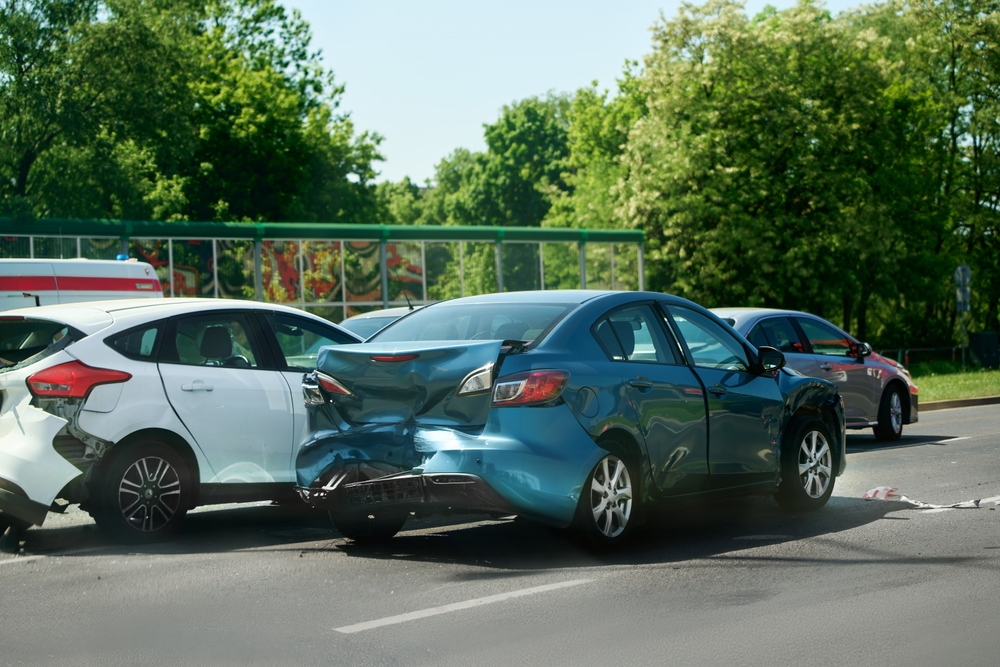
When a loved one is killed on a Connecticut highway, the path to holding the responsible party accountable is filled with legal difficulties that go far beyond a typical car accident claim, often reshaping what families should expect after a car accident. The investigation is broader, the stakes are higher, and the rules are different.
Was It Just the Other Driver, or Was the Road Itself to Blame?
Governmental Liability
Sometimes, a crash is caused not just by a driver's error, but by a dangerous road condition that a state or municipal entity knew about—or should have known about—and failed to correct. This could be a poorly designed intersection, a malfunctioning traffic light, or a hazardous drop-off on the shoulder.
Explaining Governmental Immunity
Filing a claim against a government body is not straightforward. "Sovereign immunity" is a legal concept that protects government entities from many lawsuits. This protection is not absolute. There are specific exceptions, but proving that an exception applies requires a deep understanding of the law and an immediate, thorough investigation into the road's history and condition.
Using State Data as Evidence
An investigation into a serious accident should include an analysis of public data. Resources like the Connecticut Crash Data Repository (CTCDR) are used to identify patterns of accidents at a specific location. If a particular curve or intersection has a long history of similar crashes, it builds a powerful argument that a dangerous condition exists and the authorities were aware of it.
What Happens if My Loved One Was Blamed for the Accident?
Connecticut’s Modified Comparative Negligence Rule
This rule, found in Connecticut General Statutes § 52-572h, is a system for allocating fault. Simply put, the amount of compensation your family recovers is reduced by the percentage of fault assigned to your loved one.
The 51% Bar
This rule has a strict cutoff. If an investigation determines your loved one was 51% or more at fault for the accident, your family is barred from recovering any compensation at all. The other party's insurance company will conduct a thorough investigation, looking for any evidence to shift blame. Our role in these situations is to perform our own independent investigation to ensure that no amount of fault is unjustly placed on your family member.
Your First Steps After a Fatal Highway Accident
How Do You Start an Investigation?
The Police Report
The first step is to obtain a copy of the official police accident report. This document contains basic information about the crash, but it is only the starting point. It is not the final word on what happened or who was at fault.
Document Everything
If you were at the scene, or if you speak with anyone who was, try to gather names and phone numbers of witnesses. Write down everything you remember about the day of the accident and the conversations you had afterward, which is exactly what car accident lawyers do to preserve details early. Do not post any details or opinions about the incident on social media. Insurance companies frequently use social media posts to contest claims.
Should You Talk to the Insurance Company?
The other driver’s insurance adjuster will likely call you very soon after being notified of the accident. Remember that they are a representative of a business, and their primary job is to protect that company’s financial interests. While they may sound sympathetic, their goal is to resolve the claim for the lowest possible amount.
Decline to provide a recorded statement or sign any documents until you have spoken with an attorney. You may provide basic contact information, but you should politely and firmly state that you will not be discussing the details of the accident at this time.
What Is a Wrongful Death Claim?
A wrongful death claim is a type of civil lawsuit brought by the estate of a person who died as a result of someone else's negligence or misconduct. The action is brought by an executor or administrator of the deceased person's estate.
This type of action allows the family to pursue compensation for a range of devastating losses. This may include the costs of final medical care and funeral expenses, the loss of the income the person would have earned, and the profound loss of their companionship, care, and guidance.
Frequently Asked Questions About Connecticut's Dangerous Highways
Are the most dangerous times to drive the same on all these highways?
No. Urban corridors like I-95 and I-84 near Hartford are typically most dangerous during weekday rush hours (3 p.m. to 5 p.m. on Fridays is a peak time for crashes). Rural routes and the Merritt Parkway, however, see more fatal single-vehicle accidents at night or on weekends, when speeding and impaired driving are more common.
Is the state doing anything to improve these dangerous roads?
Yes. Connecticut’s Strategic Highway Safety Plan (SHSP) uses federal and state funding to target safety improvements in high-risk areas. The plan focuses on data-driven strategies like better intersection design, pedestrian safety countermeasures, and engineering solutions to address roadway departures.
How long do we have to file a wrongful death lawsuit in Connecticut?
In most cases, the statute of limitations for a wrongful death claim in Connecticut is two years from the date of the person's death. Because investigating these cases takes time, act well before this legal deadline expires.
What does it cost to hire a lawyer for a fatal accident case?
Our firm handles these cases on a contingency fee basis. This means you do not pay any upfront, out-of-pocket fees. We only receive a legal fee if we are successful in recovering compensation for your family.
Your Family Deserves Answers. We Can Help You Find Them.
You might be worried that you do not have enough information, or that it is too late to find out what really happened. You shouldn't have to chase down who's responsible while you're still recovering.
Our firm has years of experience investigating difficult and fatal highway accidents. We handle the investigators, the insurance companies, and the court filings so you focus on what matters most: your family. Let us help you take the next step toward finding answers and accountability.
Call The Flood Law Firm today for a no-cost, confidential discussion about your situation at (860) 346-2695.